

2026 Best Machining Center Models for Precision Engineering?
In the fast-evolving world of precision engineering, selecting the right machining center is critical. Experts like John Smith, a leading authority in CNC technology, emphasize, "The right machining center can make or break your production efficiency." As industries continually demand higher precision, finding top models becomes essential.
Machining centers are versatile machines that enhance productivity. They combine various processes into one unit, saving time and reducing errors. However, not every model suits every task. Each application may require different features and capabilities. This diversity can lead to indecision, as manufacturers navigate through numerous options.
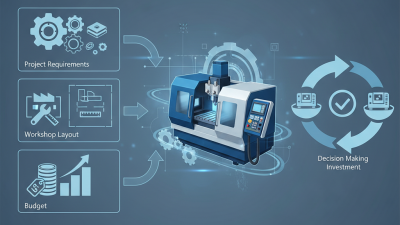
Choosing a machining center demands reflection on your specific needs. Different manufacturers offer varied approaches, technology levels, and support services. Achieving precision is a balance between cost, capability, and reliability. Identifying the best models for 2026 requires research, hands-on experience, and insights from seasoned professionals in the field.
Overview of Machining Center Technology and Its Importance in Engineering
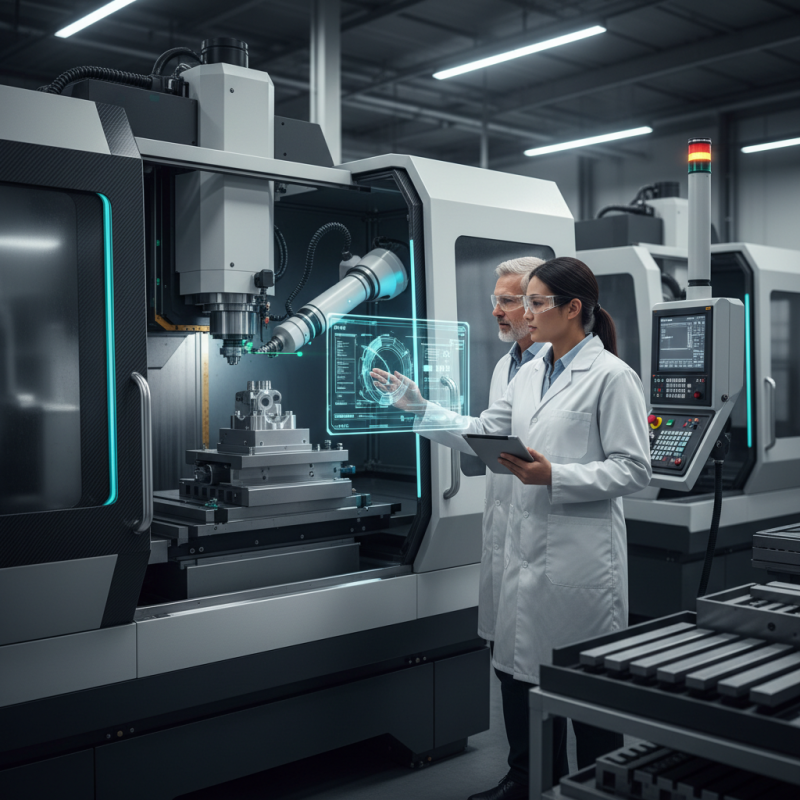
Machining centers represent a cornerstone in modern precision engineering. These machines combine various operations into one setup, enhancing productivity and accuracy. Users often rely on them for tasks like milling, drilling, and tapping. This integration is crucial because it minimizes the repositioning of workpieces, reducing errors and time consumed during manufacturing processes.
The evolution of machining center technology has significantly impacted various industries. Engineers must constantly adapt to the latest advancements to maintain their competitive edge. The ability to handle multiple materials adds versatility. However, this capability can also pose challenges. Not every model excels in every application, which requires careful selection and sometimes experimentation.
Reflecting on equipment performance is essential. Continuous feedback loops help engineers identify weak points. Some machines may offer advanced features but lack reliability. Finding the right balance between innovation and proven functionality is key in selecting machining centers. This ongoing evaluation ensures that engineering projects remain efficient and output consistently meets high standards.
Key Features to Look for in Precision Machining Centers
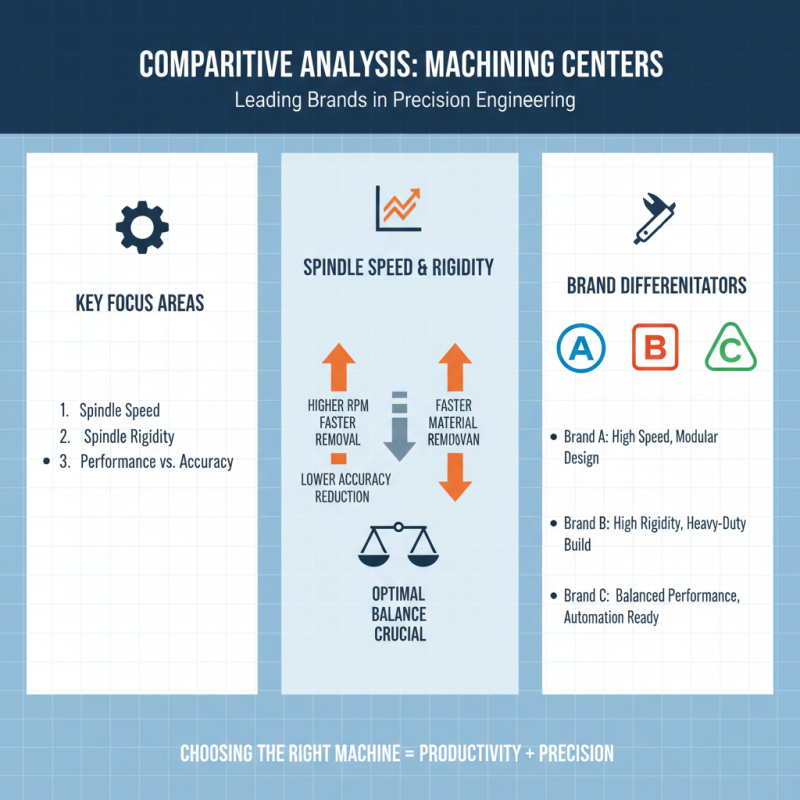
When selecting a machining center for precision engineering, several key features are essential. Firstly, look for high rigidity and accuracy. A machining center should maintain tight tolerances. Reports indicate that precision can vary by 5-10 microns in high-end models. This level of accuracy is crucial for industries like aerospace and medical devices.
Another critical aspect is the machine’s spindle speed. The right spindle speed can greatly influence machining efficiency. Many companies see a 20% increase in productivity with optimal spindle rotation. A good machining center should support versatile tooling options to accommodate diverse projects.
Tips: Always evaluate the machine's software capabilities. User-friendly software can enhance productivity and reduce errors. Consider space for future upgrades. This could save time and money as technology evolves.
Moreover, don’t overlook the importance of after-sales support. The industry reports suggest that about 30% of businesses experience downtime due to lack of support. A reliable support system can mitigate unforeseen issues. Ultimately, investing time in assessing these features can lead to significant long-term benefits.
Top 2026 Models for High-Precision Engineering Applications
When it comes to high-precision engineering applications, selecting the right machining center is crucial. In 2026, various models stand out for their advanced features and capabilities. These machines not only deliver accuracy but also enhance productivity. Precision is key; even a minor deviation can impact the final product. Operators must consider operational efficiency and ease of use.
The market now offers intuitive interfaces and automation options. This technology allows for seamless integration into manufacturing workflows. Users can expect optimal performance and reduced cycle times. However, it's important to remember that no model is perfect. Every machine has its limitations. Factors, such as maintenance and operator skill, play a significant role in achieving precision.
Additionally, ongoing industry challenges may require constant learning and adaptation. As technology evolves, engineers must stay updated on best practices. Investing in training is essential to leverage a machine's full potential. Reflection on past experiences guides improvements in processes. Embracing innovation while acknowledging limitations is the path to success in high-precision engineering.
Future Trends in Machining Center Development and Innovation
The future of machining center development shows exciting trends. Smart technology integration leads the way. Advanced sensors and data analytics are enhancing precision. Real-time monitoring ensures accuracy during machining processes. This shift allows operators to make informed decisions on-the-fly.
Sustainability is also becoming crucial. Manufacturers are focusing on energy efficiency. Machines designed with eco-friendly materials are emerging. These innovations reduce waste and improve resource management. However, the balancing act between performance and sustainability requires careful consideration.
Another trend is modular design. Customization is vital in catering to varied industries. Modular machining centers allow for flexibility. They can adapt to different tasks easily. Yet, this adaptability may come with a learning curve. Operators may need training to maximize these new systems. Continuous improvement remains a challenge in this evolving landscape.
2026 Best Machining Center Models for Precision Engineering
| Model |
Type |
Max Speed (RPM) |
Working Area (mm) |
Precision (μm) |
Technology |
| MC-2026A |
Vertical |
12000 |
800 x 500 x 500 |
5 |
AI Integration |
| MC-2026B |
Horizontal |
15000 |
1000 x 1000 x 800 |
3 |
5-axis Machining |
| MC-2026C |
5-axis |
18000 |
600 x 600 x 400 |
2 |
Real-time Monitoring |
| MC-2026D |
Bridge |
11000 |
1200 x 800 x 600 |
4 |
Hybrid Technology |
| MC-2026E |
Compact |
10000 |
500 x 400 x 300 |
6 |
Eco-friendly Design |