

Welcome to the SLMN Blog

Shandong Linmo CNC Machine Tool Equipment Co., Ltd.
Insights, Tips, and More from SLMN CNC Machine Tools

4 Axis Cnc Machining Center Tips for Enhanced Precision and Efficiency?

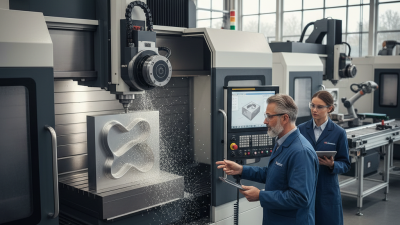
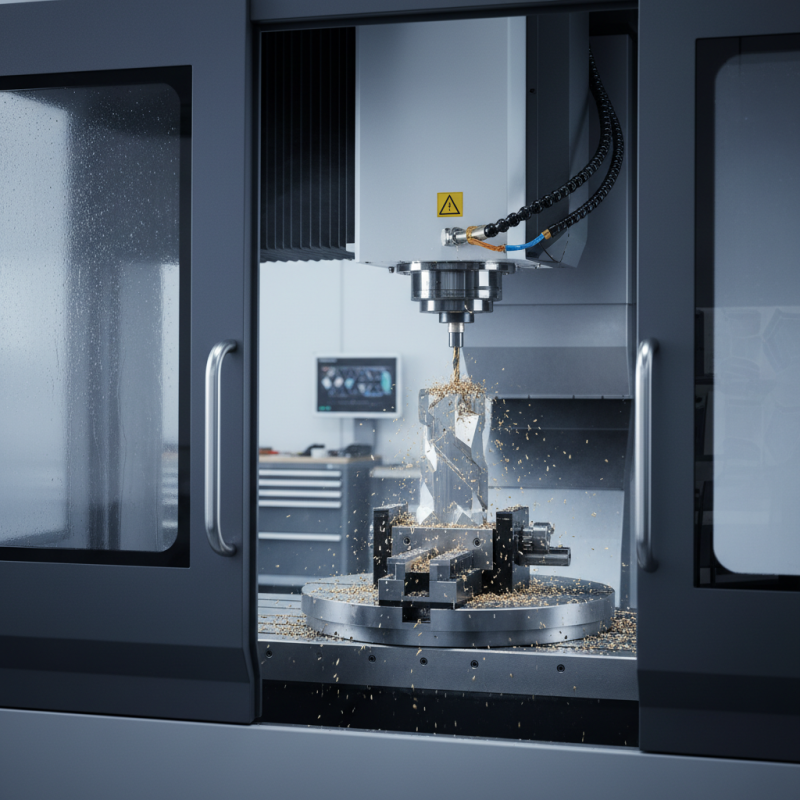
In the realm of manufacturing, precision and efficiency play pivotal roles. The 4 Axis CNC Machining Center stands out as a vital asset for modern fabrication processes. These machines not only enhance productivity but also elevate the accuracy of complex parts. Yet, many users underestimate the importance of optimizing these tools effectively.

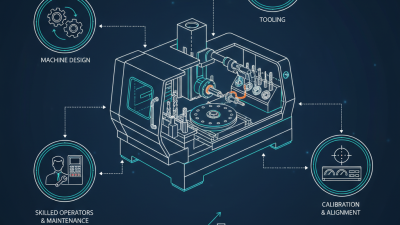
Improving the performance of a 4 Axis CNC Machining Center requires a profound understanding of its capabilities. Attention to detail is essential. For example, selecting the right tooling can significantly impact results. Moreover, proper fixture design contributes to stability during machining operations. Operators often overlook these critical aspects, leading to suboptimal outcomes.

Furthermore, regular maintenance is key. Neglecting this can result in wear and tear, which affects precision. Continuous learning and adaptation to new technologies are also necessary. The CNC landscape evolves rapidly, and keeping pace is crucial. By embracing these insights, manufacturers can unlock the full potential of the 4 Axis CNC Machining Center.
4 Axis Cnc Machining Center Tips for Enhanced Precision and Efficiency?

Understanding the Basics of 4 Axis CNC Machining Centers

4 Axis Cnc Machining Center Tips for Enhanced Precision and Efficiency?

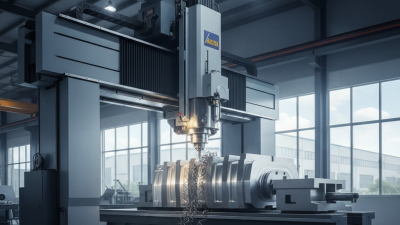
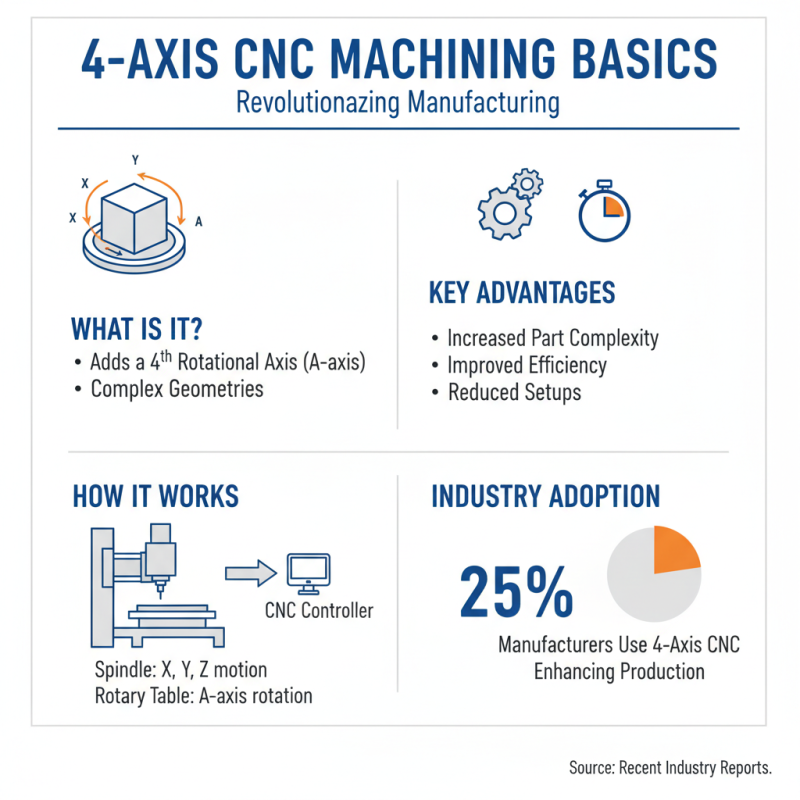
4 Axis CNC machining centers have revolutionized the manufacturing landscape. Understanding their basic functions is crucial for achieving better results. A 4-axis machine adds a fourth rotational axis to traditional 3-axis systems, allowing for complex part geometries. According to recent industry reports, approximately 25% of manufacturers have adopted 4-axis technology, enhancing their production capabilities significantly.

For enhanced precision, operators should focus on proper calibration of the machine. Regular maintenance routines can prevent accuracy loss. It's reported that machines that undergo consistent calibration exhibit a 30% reduction in error rates. Additionally, using high-quality tooling can directly impact the quality of finished products. Fractured parts due to tooling issues can lead to considerable downtime, affecting productivity.

Efficiency is equally critical. Implementing adaptive machining techniques can optimize throughput. Utilizing advanced CAM software can streamline programming and reduce setup times. Surprising as it may seem, an estimated 20% of machine time is wasted on setup and adjustments. Addressing this can lead to substantial gains. When machines operate more smoothly, the overall workflow improves dramatically, allowing for better use of resources and reduced lead times. Regular evaluation of machining strategies is essential for ongoing improvement.
Key Factors Influencing Precision in CNC Machining

In CNC machining, precision is paramount. It shapes the final product and impacts overall efficiency. Several factors influence precision. The machine's calibration is essential. Regular checks ensure all components work harmoniously. An uncalibrated machine can lead to errors. Small deviations in setup can result in significant discrepancies.

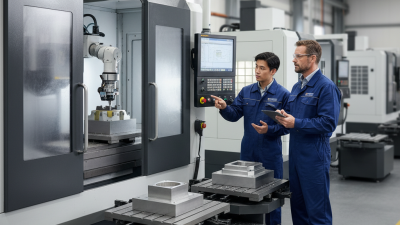
Tool selection plays a crucial role. The right tool for the material affects how well it cuts. Using a dull tool increases wear and can lead to imprecise cuts. Operators must verify tool sharpness and condition frequently. However, relying solely on tools isn’t enough; operator skill is crucial too. Training enhances their ability to make necessary adjustments during the process.

Environmental conditions also need consideration. Temperature and humidity can affect machine operation. Fluctuations can result in thermal expansion, altering dimensions. Implementing a controlled environment mitigates these risks. Mistakes will inevitably happen, though. Regular reflection on procedures can uncover hidden issues, paving the way for continual improvement.

Techniques to Optimize Efficiency in CNC Operations

In CNC machining, optimizing efficiency is crucial for achieving high precision. One technique is to fine-tune feed rates. This involves adjusting the speed at which the tool moves through the material. A slower feed rate may yield finer details but can increase cycle time. Finding a balance is key to maximizing output without sacrificing quality.

Another effective approach is to implement regular maintenance schedules. This ensures that machines are functioning properly and reduces the risk of unexpected breakdowns. Consistent check-ups and part replacements can significantly extend the lifespan of the equipment. However, it’s easy to overlook this aspect when focusing on immediate production needs.

Additionally, reviewing tool paths for optimization can enhance productivity. Simplifying complex paths reduces machining time. Careful planning can minimize wasted movements, saving time and resources. It’s important to recognize that trial and error may occur. Continuous reflection on these processes allows for gradual improvements. Each adjustment can lead to more efficient operations in the long run.

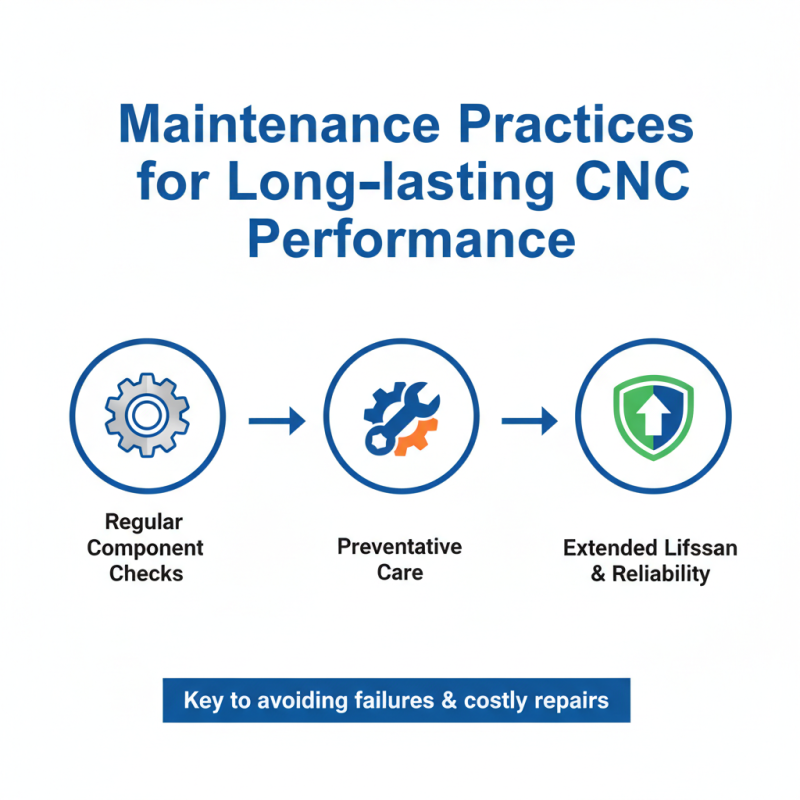
Maintenance Practices for Long-lasting CNC Performance

4 Axis Cnc Machining Center Tips for Enhanced Precision and Efficiency?

Maintenance is crucial for CNC machines. Proper care extends their lifespan significantly. Regularly check for wear and damage on vital components. This habit prevents unexpected failures and costly repairs.

Here are some practical tips for maintaining a 4-axis CNC machining center. First, always keep your tools clean. Dirt and debris can affect precision. Clean your machine after each use, focusing on the rails and spindle areas. Pay attention to lubrication. Use the right oils to avoid friction damage.

Lastly, inspect electrical connections periodically. Loose wires can cause malfunction. Noticing these small details can enhance your machine's performance over time. Thorough care is essential. It’s not just about fixing issues; it’s about preventing them.

Integrating Software Solutions for Enhanced CNC Machining Accuracy

Integrating software solutions into CNC machining can significantly improve accuracy. Software tools can streamline the design process and enhance communication between machines. Advanced software helps visualize the machining process, leading to fewer errors.

For improved precision, consider using simulation software. This software predicts how parts will behave during machining. It saves time by identifying potential clashes before production. Another tip is to utilize CAD/CAM systems for seamless design integration. These systems provide accurate toolpaths, reducing wasted materials.

Monitoring tools within software can track machine performance. This data is invaluable for adjusting operations and ensuring efficiency. However, the challenge lies in finding the right software that fits your needs. Testing different solutions is essential. Not every software aligns perfectly with your existing machines. Seeking feedback from peers can guide better choices. Emphasizing software integration elevates CNC machining to new levels.

4 Axis CNC Machining Center Performance Metrics

  • Address

    North of Industrial Road, Linqing Economic Development Zone,Liaocheng City, Shandong Province, China

  • Email

    info@lucimagnet.com

  • Phone/WhatsApp

    Angela:0086-13884742546
    Eric: 0086-15688878114

Get in touch with SLMN today. Whether you have questions about our CNC machine tools , or are interested in becoming a distributor, our team is ready to assist you.

© 2025 Shandong Linmo CNC Machine tool Equipment Co.,Ltd. All Rights Reserved.
Privacy Statement Terms & Conditions Sitemap Top Blog

© 2025 Shandong Linmo CNC Machine tool Equipment Co.,Ltd. All Rights Reserved.

Privacy Terms & Conditions Sitemap Top Blog