

Welcome to the SLMN Blog

Shandong Linmo CNC Machine Tool Equipment Co., Ltd.
Insights, Tips, and More from SLMN CNC Machine Tools

5 Axis Mill Tips for Maximizing Efficiency and Precision in Machining?

The realm of machining is rapidly evolving, and the 5 Axis Mill stands at the forefront of this transformation. This technology allows for complex geometries and intricate designs, which can significantly boost efficiency and precision. Using a 5 Axis Mill, manufacturers can achieve what once seemed impossible—creating parts with remarkable accuracy and shorter lead times.

However, many operators still struggle to harness its full potential. Common issues arise from inadequate setup and programming, leading to wasted materials and time. By understanding the intricacies of the 5 Axis Mill, machinists can minimize errors and enhance productivity. Implementing proper techniques is essential for maximizing the benefits of this advanced technology.

In this discussion, we will explore practical tips for mastering the 5 Axis Mill. Many may overlook the importance of regular maintenance or neglect the learning curve associated with programming. These aspects, although challenging, are fundamental for achieving desired results in machining. Embracing the potential of the 5 Axis Mill requires dedication and a willingness to adapt.

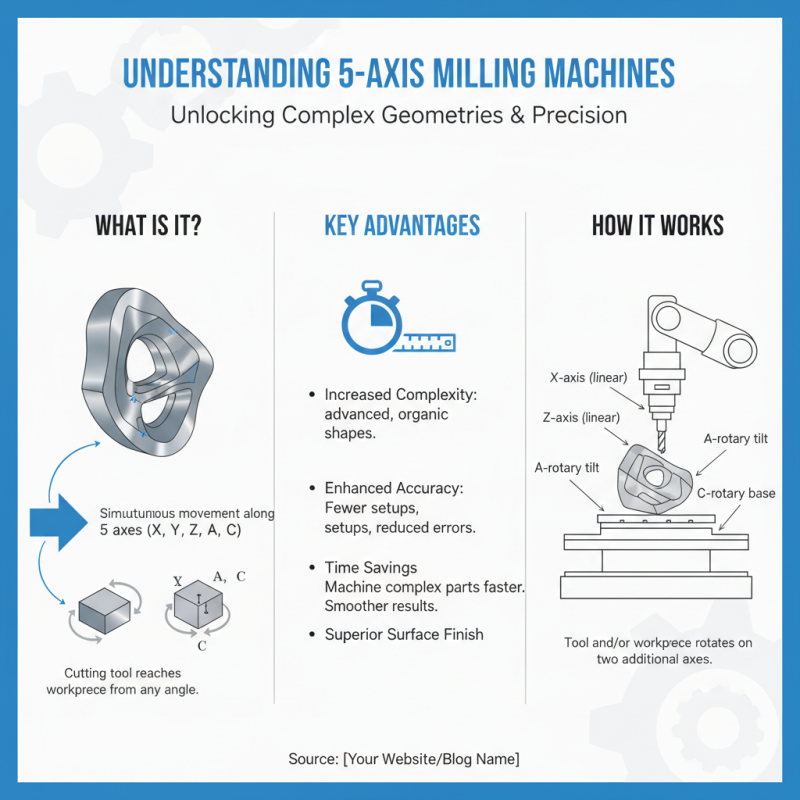
5 Axis Mill Tips for Maximizing Efficiency and Precision in Machining?

Understanding the Basics of 5 Axis Milling Machines

5 Axis Mill Tips for Maximizing Efficiency and Precision in Machining?

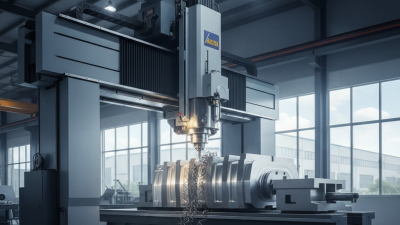
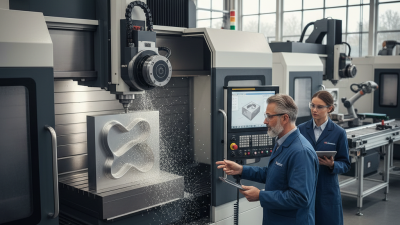
5-axis milling machines represent the forefront of precision machining technology. These machines can move the cutting tool along five different axes simultaneously. This capability allows for complex geometries and intricate designs that would be impossible with traditional milling methods. Operators can create parts with more angular surfaces without repositioning the workpiece, saving time and enhancing accuracy.

Understanding the basics is crucial for anyone looking to excel in this field. The machines typically have a movable table and a spindle that can tilt and rotate. This flexibility reduces the need for multiple setups. However, mastering these machines requires practice and attention to detail. Mistakes happen; sometimes, the tool can bind, or the workpiece may shift. Recognizing these issues quickly is essential for maintaining efficiency.

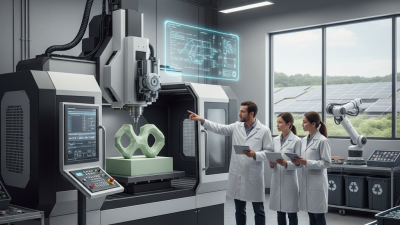
Training is vital, yet even experienced operators can encounter unexpected challenges. Programming and setup involve calculations that can be tricky. Occasionally, small errors may lead to significant inconsistencies. Reflecting on these moments can help improve future performance. Embracing continuous learning is key in the evolving world of 5-axis milling.
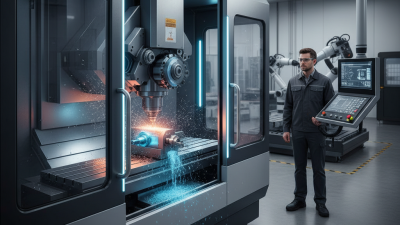
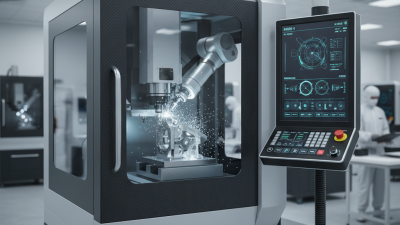
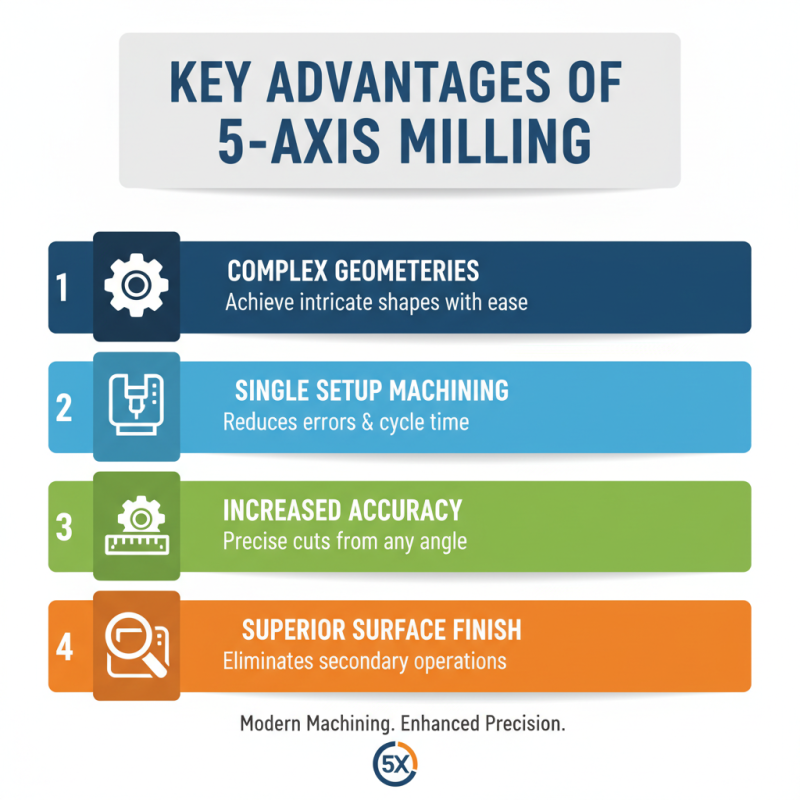
Key Advantages of 5 Axis Milling for Modern Machining

5 Axis Mill Tips for Maximizing Efficiency and Precision in Machining?

5 axis milling offers significant advantages for modern machining. This technique allows for complex geometries to be created with precision. Parts can be machined in a single setup. This reduces the risk of errors that might occur when changing setups. Increased accuracy is a key benefit. With five axes, the tool can reach any angle, ensuring every detail is captured.

Another major advantage is efficiency. Machining operations can be completed faster. The reduction in setup time leads to higher productivity. Operators must, however, adapt to these machines. It is essential to understand the software and equipment. Training staff can be time-consuming, yet it’s vital for maximizing potential.

While 5 axis milling is impressive, it comes with challenges. These machines require careful calibration and maintenance. If not properly maintained, issues can arise during machining. Regular checks are necessary to keep precision intact. Engineers must engage in constant learning. The world of technology changes rapidly, and staying updated is crucial. Embracing these challenges will lead to better outcomes in machining.

Techniques for Optimizing Tool Path Strategies

When it comes to optimizing tool path strategies in 5-axis milling, understanding the geometry of the part is crucial. Analyzing the contours can help in choosing an appropriate tool path. For intricate designs, a ball end mill often works well. It provides better access to hard-to-reach areas. But, be aware—using the wrong tool path can lead to unnecessary wear or even part damage.

Efficient tool path strategies can reduce cycle times significantly. Strategies that incorporate rest machining are often underutilized. This approach allows for machining the areas that remain after initial cuts. Additionally, utilizing optimal feed rates can improve surface finish. However, every material requires different settings. This needs testing and refinement, which can be time-consuming but is often worth the extra effort.

Moreover, excessive focus on speed can compromise precision. It is essential to strike a balance between rapid machining and accuracy. Sometimes, slowing the feed rate can yield better tolerances. Review your strategies periodically to identify areas for improvement. Learning from mistakes is part of the process. The key is to engage regularly with the machining data to enhance your tool path strategies effectively.

Essential Maintenance Practices for 5 Axis Mills

Regular maintenance of 5-axis mills is crucial. It enhances both efficiency and precision. Start by checking the machine's spindle. A worn spindle can lead to inaccurate cuts. Clean it regularly to avoid build-up. Lubrication is vital, too. Missing this step can cause friction, leading to failures.


Inspect the cooling system often. Overheating can warp your workpieces or damage the mill. Flush out any sludge or debris. Pay special attention to the vacuum system. Dust can accumulate and affect the airflow. This can lead to poor suction, impacting machining quality.


Finally, create a maintenance schedule. Documenting each task helps maintain consistency. However, find ways to improve this schedule over time. Perhaps not all tasks are necessary as frequently as planned. Adjust according to wear patterns and usage. This kind of reflection can save time and resources while boosting output.

Best Practices for Workpiece Setup and Fixturing

Setting up workpieces for 5-axis milling requires careful planning. Any error at this stage can lead to wasted materials and time. An American Machinist report indicates that improper fixturing costs manufacturers up to 20% of their production time. Applying the right techniques can significantly enhance productivity.

Optimal fixturing starts with surface preparation. Parts must be clean and free from debris. This prevents misalignments. Using clamps and vice grips should offer stability but can cause interference. It’s essential to find a balance. For complex shapes, custom fixtures may be worth the investment, despite initial costs.

Attention to detail is key. Regular checks to ensure everything is aligned can avoid costly mistakes. A study by Precision Manufacturing highlighted that 15% of machining errors were due to insufficient workpiece setup. Investing time in this critical step generates returns in efficiency and precision down the line. Always revisit your strategies. Continuous improvement can lead to significant gains.

  • Address

    North of Industrial Road, Linqing Economic Development Zone,Liaocheng City, Shandong Province, China

  • Email

    info@lucimagnet.com

  • Phone/WhatsApp

    Angela:0086-13884742546
    Eric: 0086-15688878114

Get in touch with SLMN today. Whether you have questions about our CNC machine tools , or are interested in becoming a distributor, our team is ready to assist you.

© 2025 Shandong Linmo CNC Machine tool Equipment Co.,Ltd. All Rights Reserved.
Privacy Statement Terms & Conditions Sitemap Top Blog

© 2025 Shandong Linmo CNC Machine tool Equipment Co.,Ltd. All Rights Reserved.

Privacy Terms & Conditions Sitemap Top Blog