Discover the Best CNC Vertical Milling Machine Centers for Your Needs?
In the world of manufacturing, the choice of machinery can significantly impact productivity and precision. A well-regarded expert in the field, John Smith, a leading engineer in CNC technology, emphasizes, "Selecting the right CNC Vertical Milling Machine Center is crucial for operational success." This statement resonates deeply as businesses increasingly rely on CNC technology to enhance their manufacturing processes.
CNC Vertical Milling Machine Centers are essential tools for various projects. They offer accuracy and versatility. These machines can handle a range of materials, from metals to plastics. However, not all models are created equal. Understanding your specific needs can be challenging. Some companies might choose machines based solely on price, overlooking long-term value.
With so many options on the market, making an informed choice is vital. Some centers may promise high speeds but lack reliability. Others may provide great features yet fall short in user-friendliness. Evaluating these aspects helps ensure that you invest wisely. Choosing the right CNC Vertical Milling Machine Center can lead to improved efficiency and product quality.
Understanding CNC Vertical Milling Machines and Their Applications
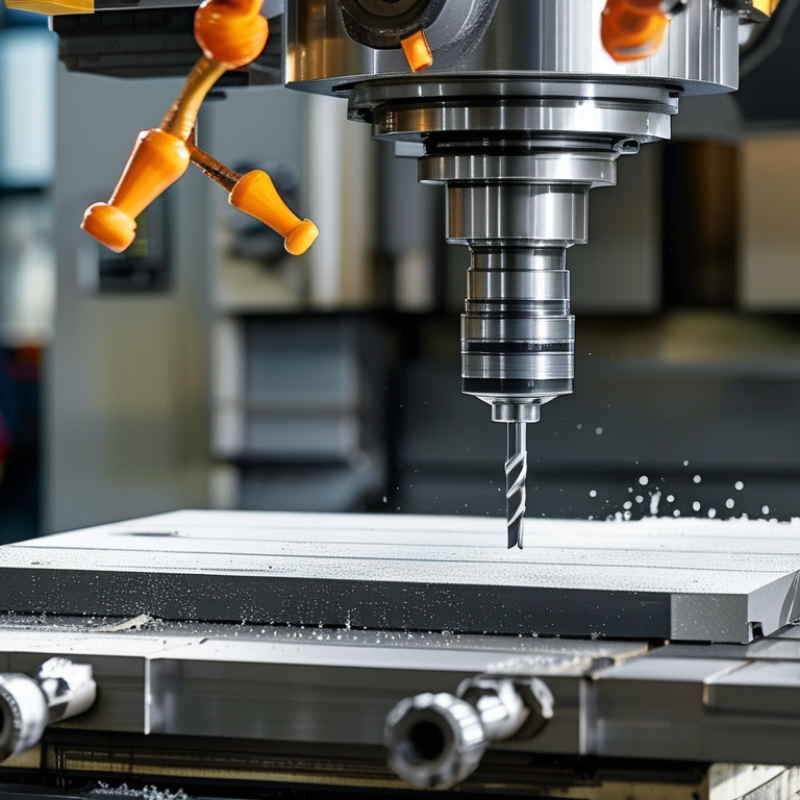
CNC vertical milling machines are essential tools in modern manufacturing. They excel in precision tasks, offering exceptional versatility. These machines use computer numerical control for accuracy. They can perform a variety of operations, from cutting to drilling and shaping. The applications are extensive, spanning industries like aerospace, automotive, and metal fabrication.
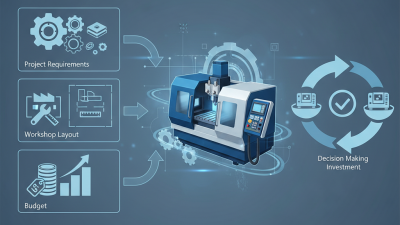
Choosing the right CNC vertical milling machine requires understanding your specific needs. Consider the size of your workpieces and the complexity of your designs. Some machines may struggle with intricate details. Reflecting on past projects can help identify requirements.
Maintenance is another critical aspect to consider. Regular servicing ensures longevity and performance. Users may overlook small issues, leading to larger problems. Prioritizing a suitable machine not only saves costs but also improves output quality. Engaging with experienced operators can provide valuable insights.
Key Features to Look for in a CNC Vertical Milling Machine Center
When selecting a CNC vertical milling machine center, it's essential to consider key features critical for your projects. The rigidity of the machine plays a vital role in producing accurate cuts and maintaining tool life. Look for a robust construction that minimizes vibrations. This leads to better precision and surface finish. A powerful spindle with variable speed settings allows for versatility in machining various materials.
Control systems are another significant aspect. An intuitive interface can simplify programming and operation. Ensure the machine supports advanced features like probing and tool management. These can save time and enhance productivity. Automatic tool changers can also reduce downtime, making your workflow more efficient.
Lastly, pay attention to the machine’s footprint and maintenance requirements. A compact design can save space while still delivering high performance. However, more complex machines may require specialized maintenance. It's crucial to weigh these factors against your operational capabilities. Making informed choices leads to better long-term productivity and reliability.
Comparison of Leading CNC Vertical Milling Machines in the Market
When exploring CNC vertical milling machines, understanding the market is crucial. The variety of options can be overwhelming. Some models prioritize speed, while others emphasize precision. It is essential to analyze specifications. Look for spindle speed and travel distance. These factors will greatly influence your projects.
Another important consideration is ease of use. Not all machines are user-friendly. Some require extensive training. This can lead to longer setup times and increased costs. Read reviews from users to gain insights. Many appreciate systems with intuitive controls.
Lastly, consider the support and service offered. Reliable customer support can ease the transition. Machines may have defects or need maintenance. Evaluate the warranty options and feedback on service responsiveness. A good choice should provide peace of mind, minimizing unexpected issues during production.
Discover the Best CNC Vertical Milling Machine Centers for Your Needs
| Model |
XYZ Travel (mm) |
Spindle Speed (RPM) |
Max Torque (Nm) |
Price ($) |
| CNC VMC 1 |
1000 x 600 x 600 |
12000 |
50 |
25,000 |
| CNC VMC 2 |
1200 x 800 x 800 |
10000 |
60 |
30,000 |
| CNC VMC 3 |
750 x 500 x 500 |
15000 |
45 |
22,000 |
| CNC VMC 4 |
1300 x 900 x 700 |
8000 |
70 |
35,000 |
Industry Standards and Certifications for CNC Milling Machines
When choosing a CNC vertical milling machine, it’s vital to consider industry standards and certifications. These certifications indicate reliability and performance. Look for machines that meet ANSI, ISO, or CE standards to ensure quality. Verified certifications provide insight into safety and operational efficiency. They enforce strict guidelines for manufacturers, making them a reliable source for your machining needs.
Tips: Always check for energy efficiency ratings. Machines with high efficiency often save on operating costs. Moreover, understanding a machine’s lifespan and maintenance frequency can prevent unexpected downtimes.
Remember, not all machines are built to the same standards. Some may excel in specific functions while lacking in others. This discrepancy can impact production quality. Review documentation of past performance metrics. Speaking with experienced operators also sheds light on a machine’s true capability.
Trends and Innovations in CNC Vertical Milling Technology
The world of CNC vertical milling is evolving rapidly. Modern machines now integrate advanced technologies, enhancing precision and efficiency. One key trend is the use of artificial intelligence. AI algorithms help optimize machining processes, reducing human error. This innovation leads to better surface finishes and faster production times. It’s exciting yet challenging, as operators must adapt to these changes swiftly.
Another noteworthy development is the rise of more user-friendly interfaces. New machines feature touchscreens and intuitive software. This accessibility allows operators of varying skill levels to engage effectively. However, it can also create dependency on technology. A lack of deep understanding of the machining process could be a drawback. It's essential to maintain a balance between using tools and developing skills.
The trend toward automation continues to reshape manufacturing. Automated loading and unloading systems increase productivity but may introduce new maintenance requirements. Regular upkeep is essential for optimal performance, yet it often gets overlooked. As technology progresses, operators must stay informed about these innovations. Continuous learning is vital, while also reflecting on the potential pitfalls of over-reliance on machinery.