

Welcome to the SLMN Blog

Shandong Linmo CNC Machine Tool Equipment Co., Ltd.
Insights, Tips, and More from SLMN CNC Machine Tools

The Best Vertical And Horizontal Machining Centers for Precision Engineering?

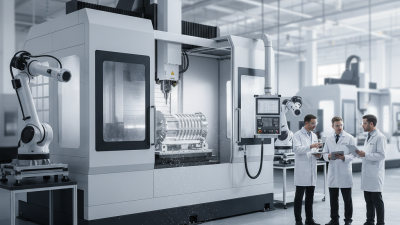
In today’s fast-paced manufacturing world, precision is key. The choice of a machining center can significantly impact production quality. Both vertical and horizontal machining centers serve unique purposes. Each offers distinct advantages and challenges.

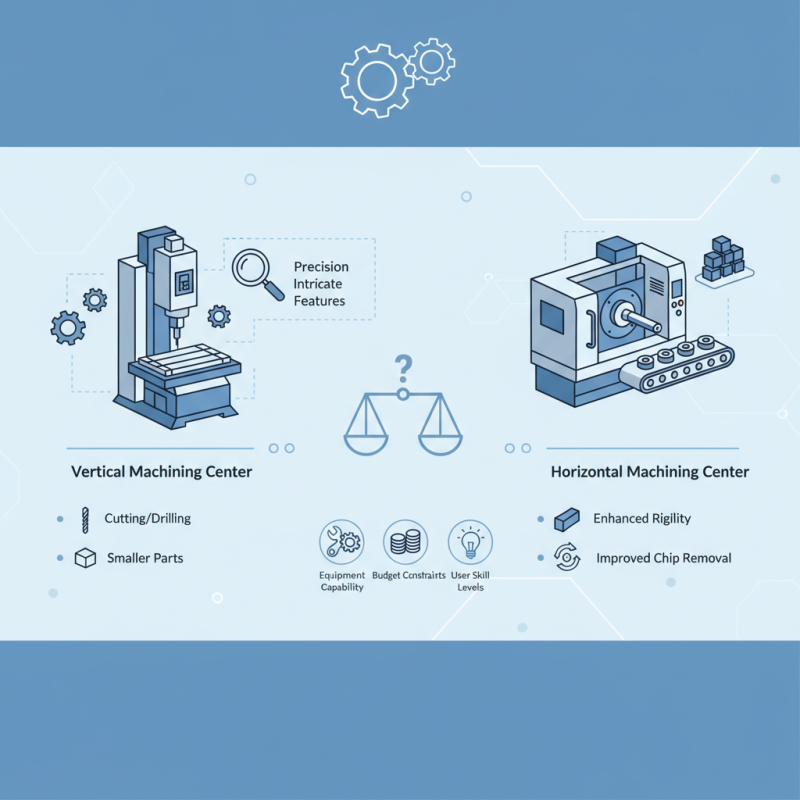
Vertical and horizontal machining centers perform different tasks for various operations. Vertical machining centers excel in cutting and drilling with a straightforward setup. They are ideal for smaller parts and intricate features. Horizontal machining centers, on the other hand, provide enhanced rigidity and improved chip removal. They are excellent for high-volume production. The decision largely depends on specific engineering needs.

Choosing the right machining center is not always clear-cut. Equipment capability often requires careful consideration. Budget constraints may limit options. Additionally, user skill levels can affect machine utilization. Therefore, it is essential to reflect on these factors to optimize productivity. Ultimately, the right vertical and horizontal machining center could elevate engineering precision and efficiency.
The Best Vertical And Horizontal Machining Centers for Precision Engineering?

Types of Vertical and Horizontal Machining Centers in Precision Engineering

In precision engineering, vertical and horizontal machining centers play pivotal roles. Vertical machining centers, often characterized by their upright spindle orientation, excel in tasks requiring high precision. They are ideal for machining complex parts with intricate designs. The vertical design allows for easier setup and visibility, making it convenient for operators. Smaller components can be machined efficiently, which aids in improving workflow.

On the other hand, horizontal machining centers offer distinct advantages. Their horizontal spindle orientation ensures stability and higher cutting efficiency. This design allows heavy and large parts to be securely mounted without concern for vibration issues. However, operators must consider the setup time and complexity, which can be greater compared to vertical centers.

Each type of machining center has its own merits and challenges. Vertical machines may struggle with larger workpieces, while horizontal ones can lead to longer preparation times. Thus, selecting the right type depends heavily on the specific applications and production requirements. Constant evaluation of these machines’ performance can lead to improved outcomes in precision engineering.

The Best Vertical And Horizontal Machining Centers for Precision Engineering

Type Axis Configuration Spindle Speed (RPM) Max Load Capacity (kg) Precision (μm)
Vertical Machining Center 3-Axis 24000 500 5
Horizontal Machining Center 4-Axis 20000 800 7
Vertical Machining Center 5-Axis 18000 300 3
Horizontal Machining Center 5-Axis 22000 900 4

Key Features to Consider in Machining Centers for Precision Applications

When selecting machining centers for precision engineering, several key features stand out. The accuracy of the machine is paramount. A center that offers a low tolerance level ensures each component meets exact specifications. This is crucial for industries where precision is non-negotiable. Additionally, the rigidity of the structure contributes to maintaining precision during operations. A sturdy build helps reduce vibrations, which can compromise the final output quality.

Another important aspect is the versatility of the machining center. Machines that can handle both vertical and horizontal operations provide significant advantages. This flexibility allows for more complex designs and more diverse applications. Moreover, consider the ease of use. Complex controls can lead to mistakes. Simple yet effective interfaces are essential for operators to maximize productivity.

Lastly, maintenance is often overlooked but is critical. Regular upkeep is necessary to avoid downtime and ensure longevity. Regularly evaluating the machine's condition can save time and costs in the long run.

Comparison of Vertical vs. Horizontal Machining Centers: Pros and Cons

When choosing between vertical and horizontal machining centers, it is essential to weigh their respective advantages and disadvantages. Vertical machining centers (VMCs) are typically faster and easier to program. They excel in tasks like drilling, tapping, and contouring. According to a recent industry report, VMCs account for around 60% of market usage in precision engineering due to their versatility and ease of use. Operators find that learning curve for VMCs is gentler, which can reduce training costs and time.

On the other hand, horizontal machining centers (HMCs) have notable advantages in handling larger workpieces. Their design allows for better chip removal, which can enhance efficiency for continuous production runs. Despite this, some users report challenges with setup and programming, particularly for complex parts. An industry study highlights that around 30% of HMC users experienced initial difficulties in adapting their workflows. Ultimately, the choice may come down to specific project needs and production volumes, with each system presenting unique traits that could either optimize or hinder operations.

The Best Vertical and Horizontal Machining Centers for Precision Engineering

Leading Brands and Models of Machining Centers for Precision Engineering

The Best Vertical And Horizontal Machining Centers for Precision Engineering?

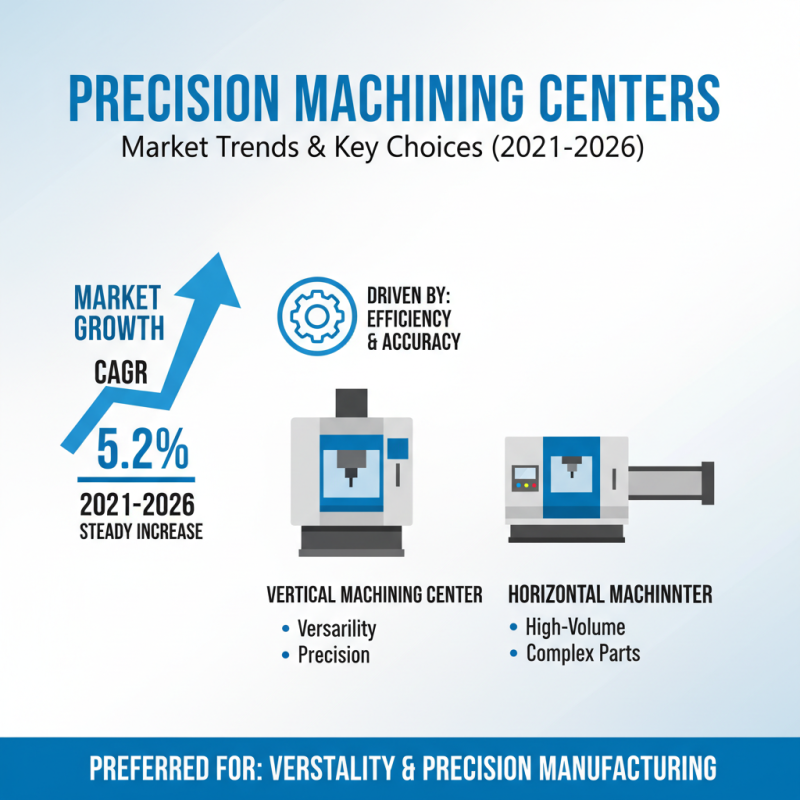
In the realm of precision engineering, selecting the right machining center is crucial. The market has shown a steady growth, with a report indicating a CAGR of 5.2% from 2021 to 2026. This trend reflects the increasing demand for efficiency and accuracy in manufacturing processes. Many companies prefer vertical and horizontal machining centers for their versatility and precision.

Vertical machining centers often excel in applications requiring tight tolerances. They provide excellent access to the workpiece, allowing for complex shapes to be machined effectively. Horizontal machining centers, on the other hand, shine in producing higher volumes. Their ability to perform multiple operations in a single cycle is impressive. A study highlights that integrating horizontal machining can reduce production time by up to 30%.

However, the choice between vertical and horizontal comes with challenges. Each type has its limitations in terms of tooling and complexity. For example, while vertical machines may offer better visibility, they can be less efficient for certain batch sizes. This reflection urges engineers to carefully evaluate their specific needs and consider the machine's capabilities. Balancing precision and productivity is a continual journey in modern manufacturing.

Maintenance and Optimization Tips for Machining Centers in Precision Work

The Best Vertical And Horizontal Machining Centers for Precision Engineering?

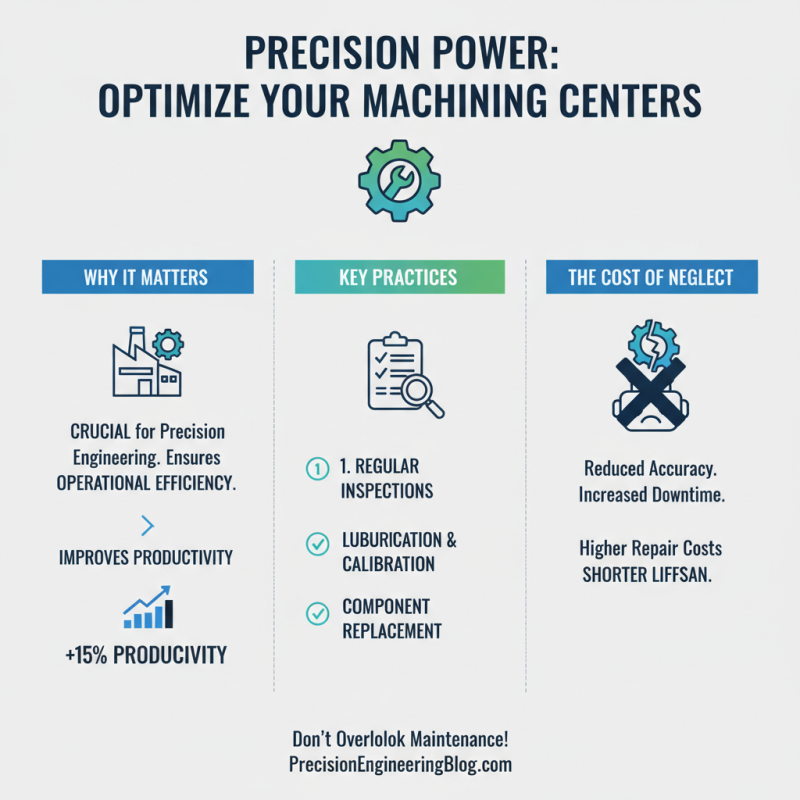
Maintaining machining centers is crucial for precision engineering. Regular maintenance ensures operational efficiency. Studies show that proper maintenance can improve productivity by up to 15%. However, many operators overlook this aspect.

One important tip is to establish a routine inspection schedule. This should include checking coolant levels and tool wear. Ignoring these factors can lead to unexpected downtime. Operators often find themselves facing costly repairs. Routine checks prevent these situations.

Another key optimization technique is to calibrate machines regularly. Calibration ensures accuracy in the production process. Consistency in measurements is vital. Small errors can lead to significant defects. A report by the Manufacturing Institute found that 20% of projects fail due to precision issues. Consistent calibration helps mitigate this risk.

Lastly, invest in employee training. Skilled operators can detect and address minor issues early, preventing larger problems. Empowering staff enhances overall productivity. Frequent refresher courses can address evolving technologies. Neglecting training can hinder growth and lead to inefficiencies.

  • Address

    North of Industrial Road, Linqing Economic Development Zone,Liaocheng City, Shandong Province, China

  • Email

    info@lucimagnet.com

  • Phone/WhatsApp

    Angela:0086-13884742546
    Eric: 0086-15688878114

Get in touch with SLMN today. Whether you have questions about our CNC machine tools , or are interested in becoming a distributor, our team is ready to assist you.

© 2025 Shandong Linmo CNC Machine tool Equipment Co.,Ltd. All Rights Reserved.
Privacy Statement Terms & Conditions Sitemap Top Blog

© 2025 Shandong Linmo CNC Machine tool Equipment Co.,Ltd. All Rights Reserved.
Privacy Terms & Conditions Sitemap Top Blog