China Top Horizontal Machining Center Features and Benefits Explained
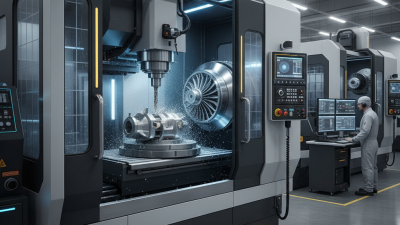
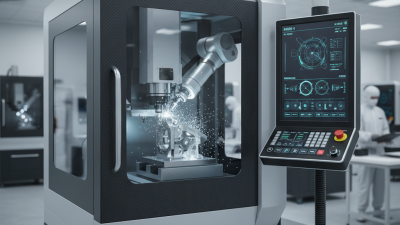
In modern manufacturing, the Horizontal Machining Center stands out. These machines are engineered for precision and efficiency. They optimize workflows and enhance productivity in various industries.
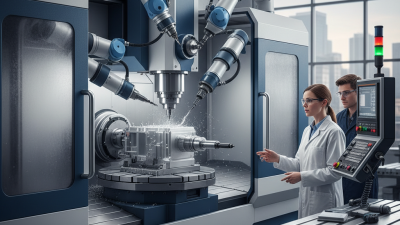
Key features of Horizontal Machining Centers include multi-axis capabilities for complex parts. They support various materials, contributing to their versatility. Moreover, their robust construction guarantees durability, which manufacturers value. However, not all Horizontal Machining Centers perform the same way. Some may struggle with specific tasks, leading to inefficiencies.
Understanding the benefits of these machines is essential. They can significantly reduce cycle times and increase output quality. As industry demands evolve, so does the technology behind Horizontal Machining Centers. Continuous improvement is necessary to stay competitive.
Key Features of China’s Top Horizontal Machining Centers
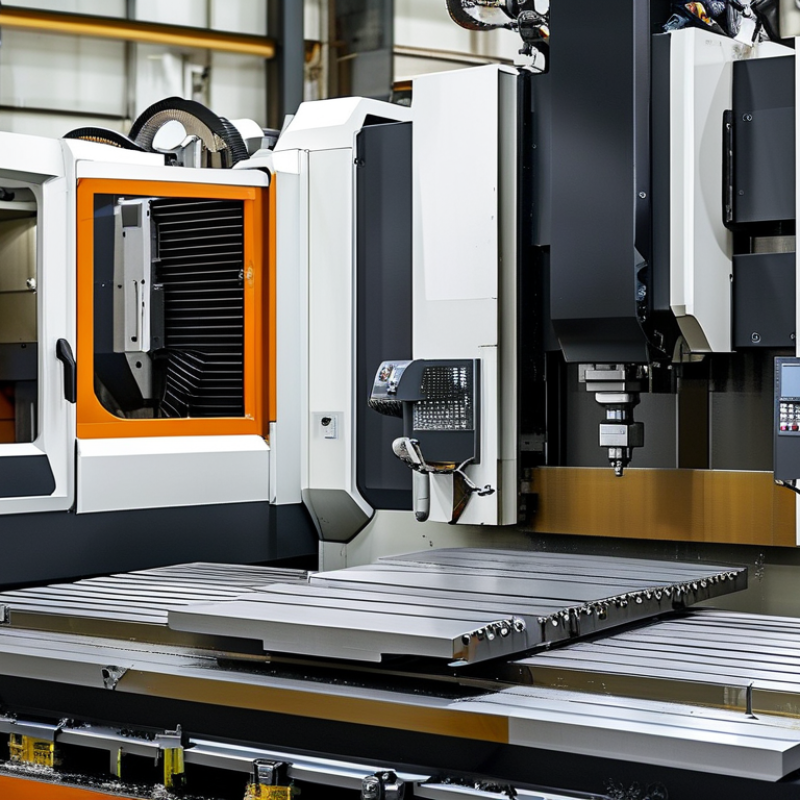
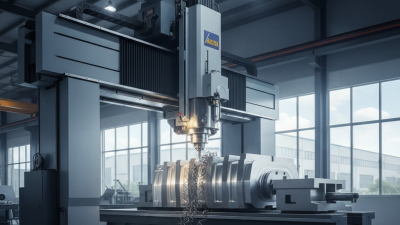
China's top horizontal machining centers offer advanced technology and precision. These machines excel in producing complex parts with high accuracy. Their robust construction enhances stability during operation. Users benefit from reduced vibration, which leads to better surface finishes.
Key features include a powerful spindle motor that ensures high cutting capabilities. High-speed tooling allows for quick cycle times, improving overall productivity. Automated tool changers streamline the machining process, minimizing downtime. Users appreciate the user-friendly interface, enabling quick setup and operation.
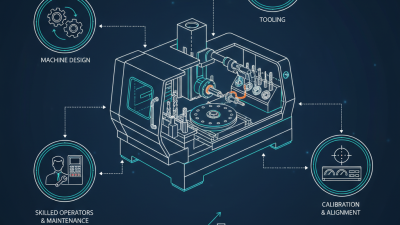
However, challenges exist. Machine maintenance is crucial, and neglecting it can lead to performance issues. Operators must be well-trained to maximize efficiency. Understanding the machine's capabilities fully can take time. Overall, while these machines are powerful, continuous learning and adaptation are essential for optimal use.
Advantages of Horizontal Machining Centers Over Other Types
Horizontal machining centers offer several advantages that set them apart. Their design permits easy loading and maintenance.
This allows operators to get back to work swiftly, minimizing downtime. Additionally, they provide enhanced visibility.
This feature supports better monitoring during the machining process.
One notable benefit is the gravity-assisted setup. Components are held securely, which reduces vibrations during operations.
This precision leads to higher quality finishes on machined parts. High rigidity in horizontal designs means cutting tools
experience less deflection, enhancing accuracy. Complex parts can be produced with fewer setups, streamlining production.
However, there are limitations to consider. Operators may need to adapt to a different way of thinking,
especially if they come from vertical machining backgrounds. Training can be necessary for some users. Furthermore, while horizontal machines
can be more efficient, they also require a higher initial investment. It's vital for manufacturers to weigh these factors based on
their specific needs.
Applications of Horizontal Machining Centers in Various Industries
Horizontal machining centers (HMCs) are vital in various industries. They excel in precise machining of complex shapes. The aerospace sector often relies on these machines. According to a recent report by the International Federation of Robotics, the HMC market is projected to grow by 5% annually. This growth stems from rising demand for precision in aircraft components.
Manufacturers in automotive, energy, and medical fields also benefit from HMCs. In automotive production, reduced cycle times lead to cost savings. Research indicates that companies using advanced HMCs can see a 20% increase in productivity. The medical industry requires tight tolerances for surgical instruments. HMCs provide the accuracy and repeatability needed.
Despite their advantages, HMCs present challenges. Initial investment costs can be high. Training operators is essential to maximize efficiency. Machine maintenance is also critical for longevity. Industry experts often emphasize the importance of routine checks. Balancing costs with expected benefits is not always straightforward. Businesses must weigh these factors carefully to achieve optimal results.
Applications of Horizontal Machining Centers in Various Industries
Innovations in Technology for Horizontal Machining Centers
Innovations in technology have significantly transformed
horizontal machining centers.
These machines have become essential in modern manufacturing. Enhanced precision, speed, and automation are just a few benefits of newer models. As industries demand higher outputs, engineers are pushing the boundaries of design and functionality.
One major advancement is the integration of
smart technology.
Sensors and real-time monitoring systems provide feedback during machining. This allows operators to make adjustments on the fly, improving efficiency. Yet, this dependence on technology raises concerns.
Are operators becoming too reliant on automated systems?
The balance between human intuition and machine precision remains a topic for discussion.
Another innovation is in materials. Modern machining centers can handle harder materials that suit various applications. However, this also means the need for specialized tooling has increased.
Manufacturers must invest in training their workforce.
Adapting to these changes can be challenging, but it ensures continuous growth. These advancements showcase the dynamic nature of horizontal machining centers in an evolving market.
Choosing the Right Horizontal Machining Center for Your Needs
Choosing the right horizontal machining center involves evaluating various factors. Start by assessing your production requirements. Consider the material type and size of the parts you intent to machine. Different centers offer specific features tailored to these needs. Understanding your machining goals can lead to better decision-making.
Look into the machine's specifications, such as spindle speed and tooling options. These factors greatly influence the machining process. Ensure the center has optimal rigidity and stability. This is crucial for maintaining precision during operations. It's also worth considering the ease of use and maintenance. Some models can be overly complicated, leading to frustration over time.
Think about the future as well. Your project requirements may change, necessitating upgrades or modifications. It’s essential to choose a machine that allows for this flexibility. You might find that additional features, while appealing, may not serve your core requirements. Prioritize essential functionalities over popular trends. Making the right choice now will save you time and resources later.
China Top Horizontal Machining Center Features and Benefits Explained - Choosing the Right Horizontal Machining Center for Your Needs
| Feature |
Description |
Benefits |
Ideal Applications |
| High Precision |
Tight tolerances with advanced Japanese linear guides and precision ballscrews. |
Ensures high-quality outputs suitable for critical components. |
Aerospace, automotive, and medical device manufacturing. |
| Robust Build |
Sturdy cast iron construction enhances rigidity and stability. |
Reduces vibration and improves machining accuracy. |
Heavy-duty machining tasks and large workpieces. |
| Versatile Tooling |
Supports a wide range of tools for various machining tasks. |
Enhances flexibility in production processes and tooling costs. |
General manufacturing and production lines. |
| User-Friendly Interface |
Intuitive control systems and programming with touch screen interfaces. |
Improves operator efficiency and reduces training time. |
Small to medium-sized workshops and job shops. |
| Swivel Table |
Allows for angular machining without repositioning the workpiece. |
Increases productivity and reduces cycle times. |
Complex component machining and multi-sided operations. |