

Welcome to the SLMN Blog

Shandong Linmo CNC Machine Tool Equipment Co., Ltd.
Insights, Tips, and More from SLMN CNC Machine Tools

Why Choose a Horizontal Machining Center for Your Production Needs?

In today's competitive manufacturing landscape, choosing the right equipment is crucial. The Horizontal Machining Center (HMC) stands out as an essential tool for many production needs. According to a report by Industry Research, the global HMC market is projected to reach $6.3 billion by 2026, reflecting its growing importance in precision engineering.

John Smith, a leading expert in manufacturing technologies, states, "The efficiency of Horizontal Machining Centers can significantly boost productivity." HMCs offer superior versatility and accuracy. Their ability to handle complex parts reduces the need for multiple setups. This efficiency translates to lower operational costs and increased output.

However, some manufacturers may overlook potential challenges. Selecting an HMC requires careful analysis of specific production needs. It's vital to ensure that the chosen model meets both current and future operational demands. The decision should be based on a comprehensive understanding of processes, materials, and overall production goals. A thoughtful approach will ultimately yield the best results in the long run.
Why Choose a Horizontal Machining Center for Your Production Needs?

Advantages of Horizontal Machining Centers in Modern Manufacturing

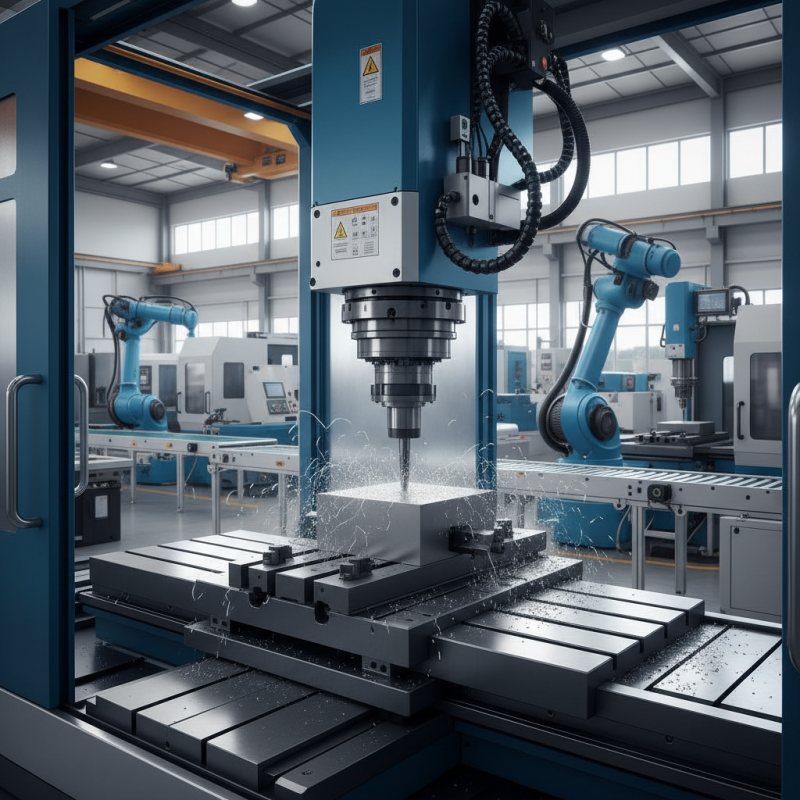
Choosing a horizontal machining center for production can optimize efficiency. These machines excel in producing complex parts with high precision. The horizontal design allows for better chip removal and coolant flow, which leads to longer tool life. Additionally, they provide remarkable stability during machining. This ensures superior surface finishes.

A significant advantage of horizontal machining centers is their multi-tasking capabilities. They often integrate milling, drilling, and tapping in one setup. This reduces setup times and enhances precision across multiple operations. Operators can load parts while the machine is running, increasing productivity.

**Tip:** Consider evaluating your production needs carefully. Do you often work with large, heavy parts? Horizontal centers may offer better solutions.

Another aspect to ponder is maintenance. While they are designed for durability, regular upkeep is crucial. Neglect can lead to costly downtimes. Assess your team’s ability to perform maintenance tasks or plan for professional servicing.

**Tip:** Keep an eye on spindle performance. A decline may indicate that it’s time for a check-up, preventing bigger problems down the line. Adopting horizontal machining centers might mean a learning curve for teams. Ensuring proper training can significantly enhance operations.

Why Choose a Horizontal Machining Center for Your Production Needs?

Feature Description Advantages
Workpiece Orientation Horizontal orientation allows for easier loading and unloading of heavy parts. Improved accessibility and reduced setup time.
Multi-Axis Capabilities Enables machining on multiple sides of a workpiece in a single setup. Higher precision and reduced error risk.
Chip Removal Enhanced chip removal capabilities due to horizontal design. Maintains tool efficiency and reduces downtime.
Higher Productivity Designed for continuous operation with minimal interruption. Increases output and reduces overall manufacturing costs.
Tool Life Better cooling and lubrication lead to longer tool life. Saves on tool replacement expenses and improves efficiency.

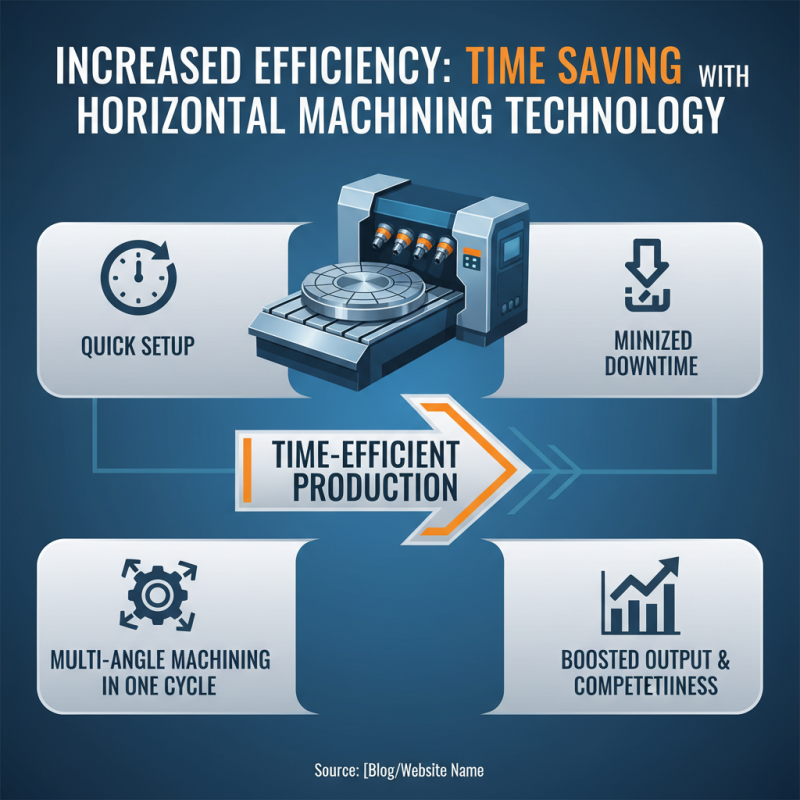
Increased Efficiency: Time Savings with Horizontal Machining Technology

Why Choose a Horizontal Machining Center for Your Production Needs?

A horizontal machining center (HMC) offers significant time savings in production. Its design allows for quick setup and efficient processing. Parts can be machined from multiple angles in one cycle. This minimizes downtime between operations. Consequently, manufacturers can boost their output. Time-efficient production is essential in today's competitive market.

Tips for maximizing efficiency with HMC technology include regular maintenance checks. Keep your machines in top condition to prevent unexpected breakdowns. Additionally, ensure proper training for your operators. Skilled operators can reduce cycle times and enhance precision.

Using HMC can sometimes lead to challenges. The initial setup cost is higher than traditional methods. This can be a barrier for smaller manufacturers. However, the long-term efficiency gains often outweigh these upfront investments. Reflecting on these aspects can guide decision-making in production planning.

Precision and Accuracy: Industry Standards for Horizontal Machining Centers

Why Choose a Horizontal Machining Center for Your Production Needs?

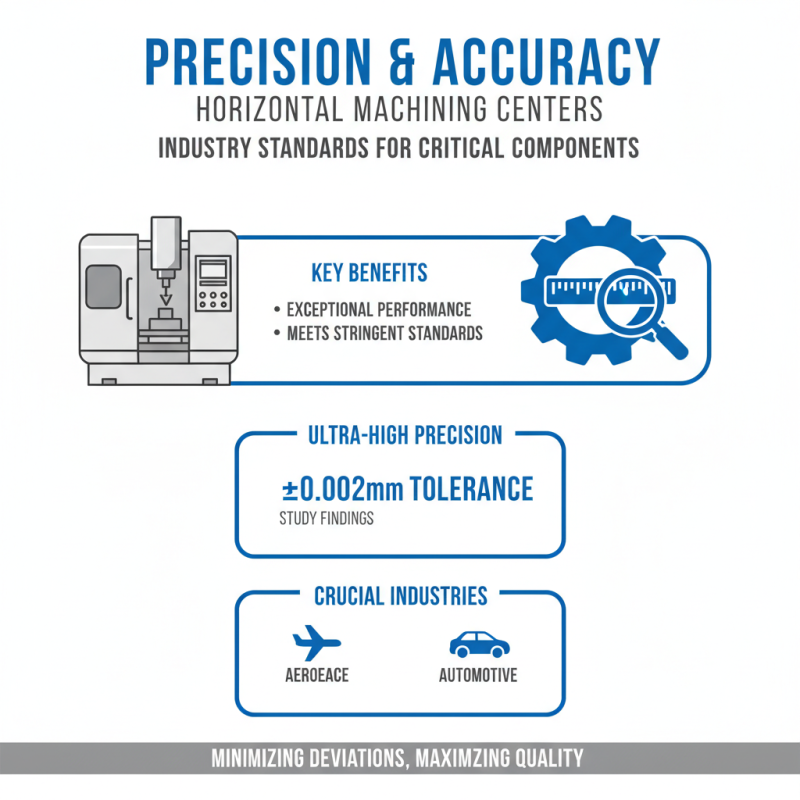
When considering a horizontal machining center, precision and accuracy are paramount. These machines provide exceptional performance, meeting stringent industry standards. In fact, studies show that horizontal machining centers can achieve tolerances as close as ±0.002mm. This level of precision is crucial in industries like aerospace and automotive, where even minor deviations can lead to significant problems.

The design of horizontal machining centers aids in enhancing accuracy. They often feature a rigid construction and advanced cooling systems, which minimize thermal distortion. A report from the Machine Tool Manufacturers' Association indicates that these systems increase repeatability by up to 30% compared to vertical counterparts. This improvement in stability is vital for long production runs.

While choosing the right machining center, it’s essential to recognize challenges. Setup times can be longer for horizontal machines due to their complexity. Additionally, operators must possess specific skills to handle these sophisticated tools. Regular maintenance is critical to ensure continued precision. Understanding these factors can lead to better decision-making in the production process.

Cost-Effectiveness: Maximizing ROI with Horizontal Machining Solutions

When considering production needs, cost-effectiveness is a key factor. Horizontal machining centers (HMCs) excel in this area, offering impressive returns on investment (ROI). According to a report by the Freedonia Group, demand for machining centers is projected to grow by 5% annually, driven by advancements in technology and efficiency. This trend highlights the increasing reliance on HMCs, as they provide substantial productivity gains.

HMCs allow for faster machining cycles due to their ability to accommodate multiple sides of a workpiece in a single setup. This reduces downtime, which can account for up to 30% of manufacturing costs. Companies that utilize HMCs can save on labor and materials, while also maximizing machine uptime. Industry studies indicate that businesses can experience cost reductions of 15-25% by switching to horizontal solutions.

Yet, transitioning to HMCs isn’t without challenges. Initial costs can be high, which may deter some manufacturers. However, the long-term savings are significant. The integration of HMCs requires skilled operators and extensive training, which can be a hurdle. Balancing these factors is crucial for maximizing the benefits of this technology. Overall, the focus should remain on long-term gains, even if it means facing short-term adjustments.

Versatility in Complex Part Production: Horizontal Centers vs. Vertical Centers

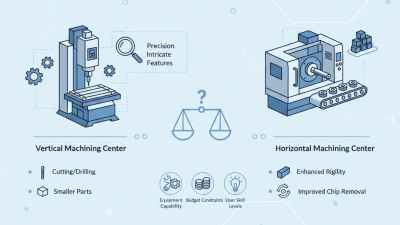
In today’s manufacturing landscape, choosing the right machining center is crucial. Horizontal machining centers (HMCs) offer distinct advantages in producing complex parts. They excel in handling intricate geometries and multiple operations in a single setup. This minimizes the need for part repositioning, enhancing precision and efficiency.

HMCs are ideal for large, heavy workpieces. The horizontal orientation allows for better chip removal, which is critical when machining metals. Users often find that they can achieve a superior surface finish compared to vertical centers. Additionally, the versatility of HMCs allows for rotary tables and pallet changers, facilitating continuous production. This adaptability is essential for manufacturers aiming to meet diverse client demands.

However, adopting an HMC requires thorough consideration. Setup times may be longer than with vertical centers. The initial investment can be significant, and operators need comprehensive training. Manufacturers must weigh these factors carefully against the benefits. Each facility has unique requirements that affect the final decision.

  • Address

    North of Industrial Road, Linqing Economic Development Zone,Liaocheng City, Shandong Province, China

  • Email

    info@lucimagnet.com

  • Phone/WhatsApp

    Angela:0086-13884742546
    Eric: 0086-15688878114

Get in touch with SLMN today. Whether you have questions about our CNC machine tools , or are interested in becoming a distributor, our team is ready to assist you.

© 2025 Shandong Linmo CNC Machine tool Equipment Co.,Ltd. All Rights Reserved.
Privacy Statement Terms & Conditions Sitemap Top Blog

© 2025 Shandong Linmo CNC Machine tool Equipment Co.,Ltd. All Rights Reserved.
Privacy Terms & Conditions Sitemap Top Blog