

Welcome to the SLMN Blog

Shandong Linmo CNC Machine Tool Equipment Co., Ltd.
Insights, Tips, and More from SLMN CNC Machine Tools

What is a Compact Horizontal Machining Center and How Does It Work?

The Compact Horizontal Machining Center (CHMC) is transforming the manufacturing landscape. This machine streamlines production and enhances efficiency, making it crucial in today's competitive market. According to the 2021 World Machine Tool Output and Consumption report, the global market for machining centers has exceeded $20 billion, showcasing the importance of advanced machining technologies.

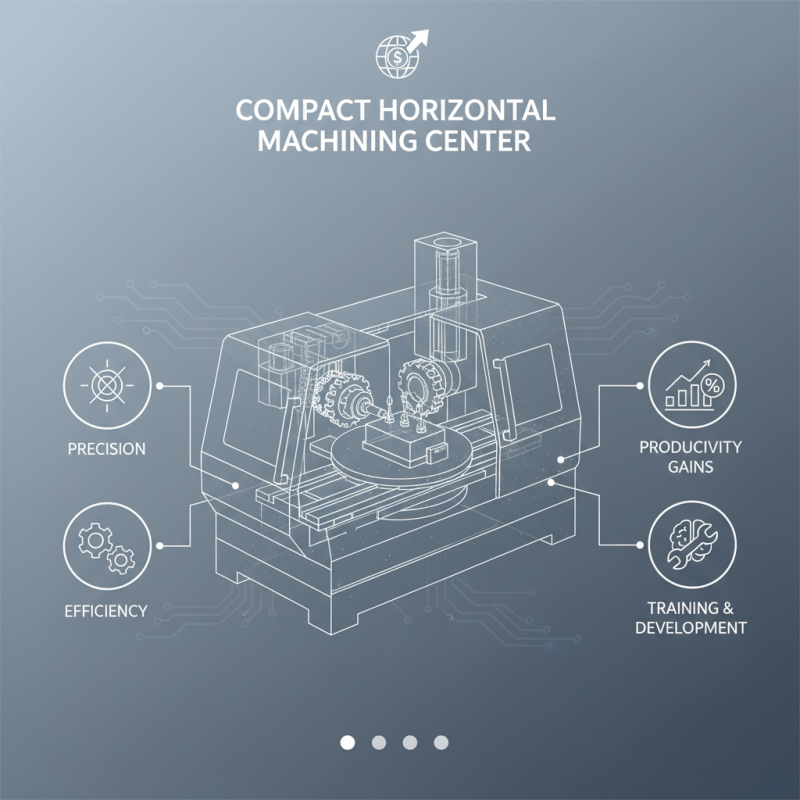
A Compact Horizontal Machining Center offers precision and versatility in tight spaces. Its design allows for effective chip removal and optimal tool access, improving operational efficiency. Industry reports indicate that companies utilizing CHMCs see productivity gains of up to 30%. However, challenges remain in maximizing their potential; not all operators fully harness the capabilities of these advanced machines.

In an era where precision and speed are paramount, understanding how a Compact Horizontal Machining Center works is essential. Companies must invest in training and development to unlock the full potential of these machines. By focusing on continuous improvement, manufacturers can remain competitive and responsive to market demands, ensuring long-term success.
What is a Compact Horizontal Machining Center and How Does It Work?

What Defines a Compact Horizontal Machining Center in Manufacturing?

What is a Compact Horizontal Machining Center and How Does It Work?

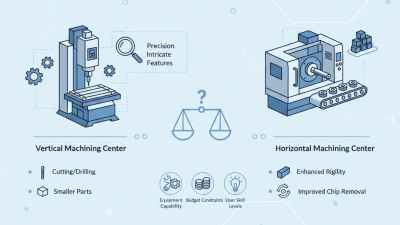
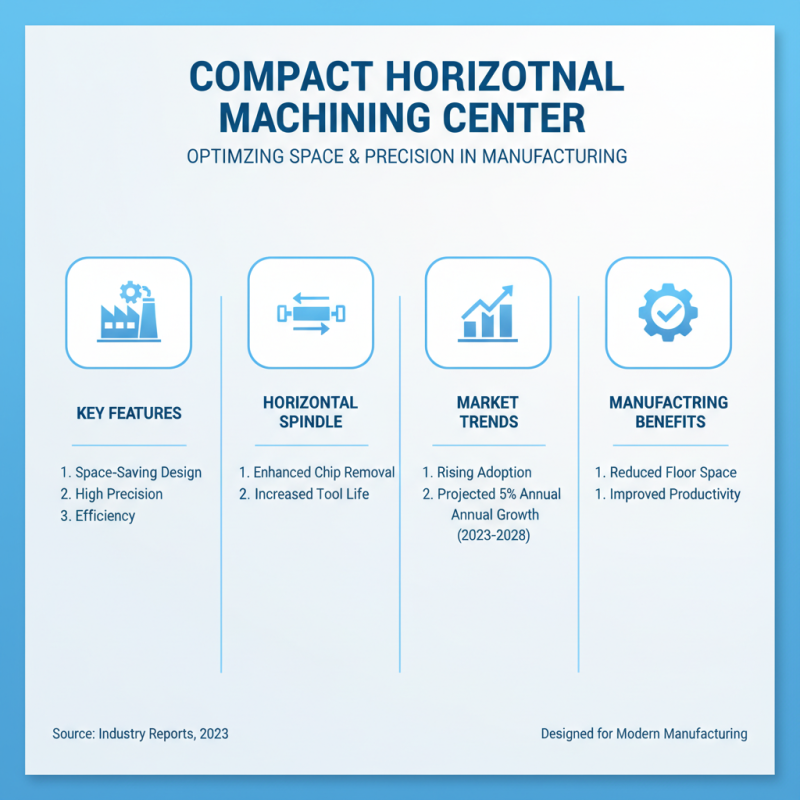
A compact horizontal machining center (CHMC) is a vital tool in modern manufacturing. It is designed to optimize space while delivering high precision and efficiency. These machines generally require less floor space compared to traditional machining centers. They are equipped with horizontal spindles that allow for better chip removal and increased tool life. Industry reports suggest that the adoption of CHMCs has been steadily rising, with a projected market growth rate of around 5% annually over the next five years.

The features defining a CHMC include their versatility and compact design. Designed for intricate parts, these centers can handle various materials. Typical specifications involve rapid feed rates and high spindle speeds, contributing to reduced cycle times. Despite these advantages, challenges remain. Reliability issues can arise if components are not maintained properly. Furthermore, not every workshop may benefit from a compact model due to specific production needs or space constraints.

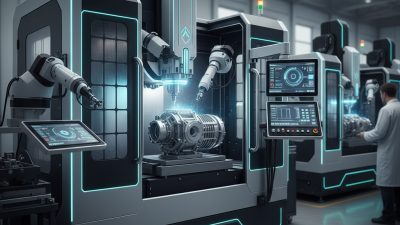
Integration of smart technologies is increasing in CHMCs. IoT-enabled systems enhance monitoring and analytics, offering real-time data. However, the transition toward automation often requires significant investment. Many manufacturers hesitate to adopt this technology fully. Balancing investment with anticipated benefits is crucial for successful implementation. As manufacturing continues to evolve, compact horizontal machining centers will play an essential role, albeit with challenges that need addressing.
Key Components of Compact Horizontal Machining Centers Explained

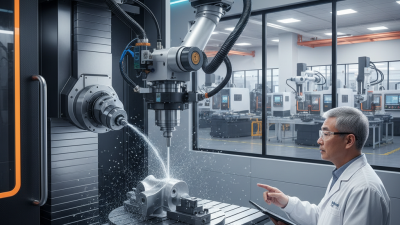
Compact Horizontal Machining Centers (CHMCs) are versatile tools widely used in manufacturing. These machines offer precision and efficiency in machining complex parts. At the heart of a CHMC is the rotating spindle, which holds the cutting tool. This spindle operates horizontally, allowing for a stable cutting process. Additionally, the design of CHMCs allows for better chip removal, enhancing productivity during machining operations.

Another essential component is the table, where the workpiece is secured. It often features T-slots for easy fixture attachment. The use of pallet changers can further increase efficiency by allowing rapid switching between workpieces. Furthermore, CHMCs are equipped with advanced control systems. These systems enable operators to program intricate machining sequences seamlessly.

Despite their advantages, CHMCs aren't flawless. They require regular maintenance to ensure peak performance. Additionally, the initial setup and programming can be time-consuming. Operators need experience to maximize the machine's potential. Understanding the intricacies of these components can help avoid common pitfalls. Knowledge is crucial for achieving the desired quality and efficiency in machining.

The Advantages of Using Compact Horizontal Machining Centers in Industry

Compact horizontal machining centers (CHMCs) are essential in modern manufacturing. They combine high precision with space-saving designs. This makes them ideal for small to mid-sized production runs. According to a recent industry report, the global market for horizontal machining centers is expected to reach $5.5 billion by 2027. This indicates a strong demand for efficient machining solutions.


One major advantage of using CHMCs is their improved efficiency. Their design allows for quicker tool changes and reduced setup times. Data shows that production time can be decreased by up to 30% with CHMCs compared to traditional vertical machining centers. Manufacturers often report reduced waste due to their precision capabilities. This precision leads to less rework and increased overall productivity.


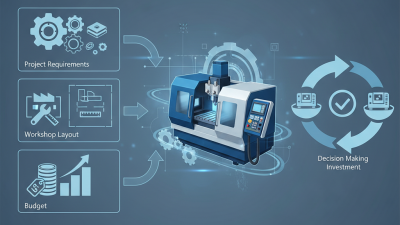
Tip: When selecting a CHMC, consider the specific needs of your operation. Evaluate factors such as part sizes and materials. Also, ensure the machine is compatible with your existing workflow. Another key point is the importance of regular maintenance. Neglecting maintenance can lead to costly downtime and repairs. Always prioritize machine care to sustain performance levels.

Operational Mechanisms: How Compact Horizontal Machining Centers Function

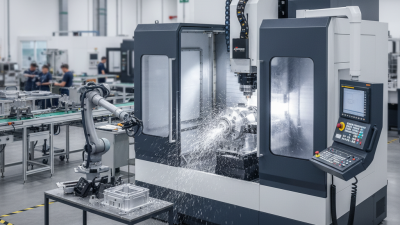
Compact horizontal machining centers (CHMCs) are designed to maximize efficiency in metalworking. These machines utilize a horizontal spindle, enabling better chip removal and facilitating deeper cuts. With a smaller footprint than traditional machining centers, CHMCs fit well in crowded shop floors. Their compact design doesn’t compromise on power. In fact, they often include advanced features, such as automatic tool changers, which enhance operational speed.


The operational mechanisms of CHMCs center on their precision and versatility. The horizontal orientation of the spindle allows for smoother operation when machining complex parts. These machines use CNC technology to automate processes, ensuring consistent results. The arrangement of the workpiece ensures easy loading and unloading, which can save significant time during production. Operators need to monitor machine performance regularly. Sometimes calibration issues may arise, which can affect precision.


While CHMCs are noted for their efficiency, they are not without challenges. Operators must maintain the machines meticulously. Dust and debris can accumulate and impact function. Additionally, new users might struggle with programming the CNC interface. Frequent training and practice are necessary for optimal operation. Balancing precision and efficiency can present a learning curve, but overcoming these hurdles is crucial for maximizing productivity.

Industry Applications: Where Compact Horizontal Machining Centers Are Utilized

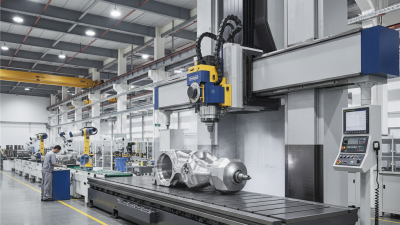
Compact Horizontal Machining Centers (CHMCs) play a vital role in various industries. Their design allows for efficient and precise machining of complex components. Industries that benefit from CHMCs include aerospace, automotive, and medical manufacturing. In aerospace, CHMCs produce intricate parts while maintaining tight tolerances. This precision is crucial for safety and performance.

Automotive manufacturers use CHMCs for producing engine blocks and transmission housings. These components require strength and durability. A CHMC can handle heavy materials with ease, making it ideal for such tasks. Medical device production also relies on these machines. Customization and precision in machining ensure high-quality, reliable products for patient care.

Tip: Regular maintenance of CHMCs can enhance their lifespan. Schedule consistent checks to catch issues early.

While CHMCs offer many advantages, limitations exist. The machine's compact size may restrict part dimensions. This constraint can be a drawback for larger projects. Operators must adapt their workflows accordingly. Being aware of these challenges can lead to better planning and efficient use of resources.

Tip: Consider your specific machining needs before investing in a CHMC. Assess both capabilities and limitations effectively.

What is a Compact Horizontal Machining Center and How Does It Work? - Industry Applications

Dimension Specification Application
Work Envelope 500 x 400 x 450 mm Aerospace Components
Spindle Speed 12,000 RPM Automotive Parts
Tool Capacity 24 Tools Medical Devices
Accuracy 0.01 mm High-Precision Components
Material Compatibility Aluminum, Steel, Titanium Industrial Manufacturing
  • Address

    North of Industrial Road, Linqing Economic Development Zone,Liaocheng City, Shandong Province, China

  • Email

    info@lucimagnet.com

  • Phone/WhatsApp

    Angela:0086-13884742546
    Eric: 0086-15688878114

Get in touch with SLMN today. Whether you have questions about our CNC machine tools , or are interested in becoming a distributor, our team is ready to assist you.

© 2025 Shandong Linmo CNC Machine tool Equipment Co.,Ltd. All Rights Reserved.

Privacy Statement Terms & Conditions Sitemap Top Blog

© 2025 Shandong Linmo CNC Machine tool Equipment Co.,Ltd. All Rights Reserved.

Privacy Terms & Conditions Sitemap Top Blog