Top 5 Face Machining Centers for 2026 Buyer's Guide
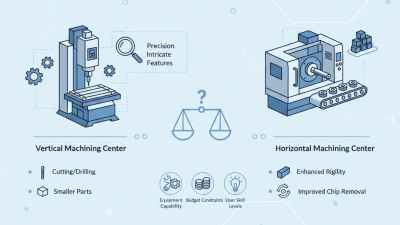
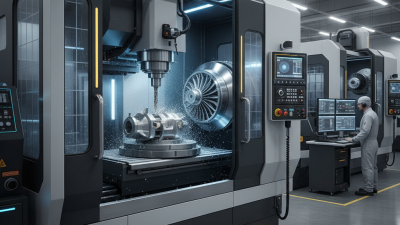
As we approach 2026, the landscape of manufacturing technology continues to evolve. A crucial aspect of this evolution is the integration of advanced machinery. Among these, the 5 Face Machining Center stands out for its versatility and efficiency. This type of equipment can perform multiple operations in one setup, reducing time and increasing productivity.
Selecting the right 5 Face Machining Center requires expertise and careful consideration. Various factors, such as size, spindle speed, and tooling options, play a pivotal role. Each machine comes with its unique strengths and weaknesses, demanding thorough research before a purchase. Understanding these elements is essential for manufacturers seeking to enhance their operations.
Throughout this guide, we’ll explore the top 5 Face Machining Centers for 2026. The goal is to provide valuable insights to help you make informed decisions. Whether you are a seasoned professional or new to this field, this information will serve as a reliable resource for your investment choices. The right choice can elevate efficiency and drive success in your projects.
Top Trends in Face Machining Centers: What to Expect by 2026
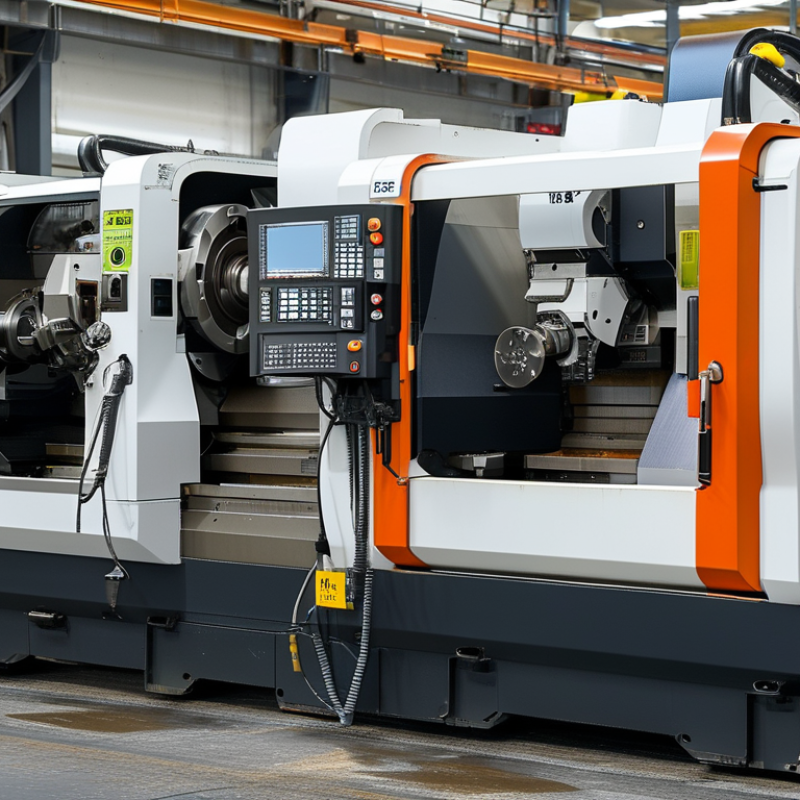
As face machining continues to evolve, the trends shaping its future are notable. The shift towards automation is prominent. More manufacturers are integrating smart technology into their operations. This move enhances efficiency and precision. Expect to see machines equipped with advanced sensors and AI analytics. These innovations will monitor real-time data and improve workflow.
Sustainability will also play a crucial role in face machining centers by 2026. Companies are prioritizing eco-friendly materials and energy-efficient processes. Reducing waste and carbon footprints will be essential for meeting regulations. Consequently, investments in greener technologies will increase. However, this transition can present challenges. Balancing cost and sustainability may require careful planning.
Collaboration within the industry will lead to enhanced innovation. Sharing knowledge and resources can drive better results. Still, companies may struggle with implementation. Ensuring all employees are on board is vital for success. Keeping the workforce informed can foster a culture of adaptability. As the landscape changes, staying informed and agile will be key.
Key Specifications to Look for in Face Machining Centers
When selecting face machining centers, it's crucial to focus on key specifications. These machines are integral in ensuring precision and efficiency in manufacturing processes. One important aspect is the spindle speed. High RPM capabilities can lead to better surface finishes, enabling smoother operations.
Next, consider the tool change efficiency. Quick tool change systems reduce downtime. This means higher productivity in your workshop. Another specification to look at is the machine's rigidity. A rigid machine minimizes vibrations, thus improving machining accuracy. It's essential to balance rigidity with flexibility in operations.
Don't overlook the programmable features. Advanced machining centers come with user-friendly interfaces for easier setup and adjustments. However, the complexity can sometimes lead to operational errors. Maintenance requirements are key as well. Regular upkeep ensures longevity but may require additional resources. Each factor plays a vital role in overall machine performance.
Top 5 Face Machining Centers for 2026 Buyer's Guide
| Model |
Spindle Speed (RPM) |
Travel (X,Y,Z) (mm) |
Tool Capacity |
Power (kW) |
Weight (kg) |
| Model A |
12000 |
800 x 600 x 500 |
40 |
15 |
3000 |
| Model B |
10000 |
1000 x 800 x 600 |
50 |
18 |
4000 |
| Model C |
15000 |
1200 x 900 x 700 |
60 |
20 |
4500 |
| Model D |
11000 |
950 x 700 x 550 |
45 |
16 |
3500 |
| Model E |
12500 |
1100 x 800 x 600 |
55 |
19 |
4200 |
Comparative Analysis of the Top 5 Face Machining Centers for 2026
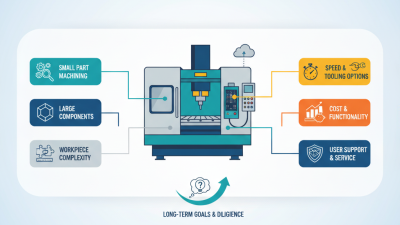
When selecting a face machining center for 2026, understanding the key features is essential. The best models should offer precision, speed, and versatility. A comparative analysis reveals differences in structure, control systems, and user interfaces among the top five options. For many manufacturers, features like dynamic rigidity and thermal stability can significantly impact performance. However, it’s important to note that not every center excels in all areas.
Accuracy is paramount in machining. Buyers often overlook the significance of user-friendly controls. Some centers have complex interfaces that can hinder productivity. Similarly, pay attention to the support and service offered by manufacturers. A reliable support system can make a difference when issues arise. While performance metrics are critical, the human factor should not be underestimated. Operators need proper training to maximize the potential of sophisticated machines.
As we approach 2026, industry trends lean toward greater automation and integration. This shift prompts a need for adaptability in machining centers. Buyers must consider future-proofing their investments. Many centers may lack advanced connectivity options. Choosing a model that embraces technological advancements can lead to better long-term results. Meanwhile, other factors like maintenance requirements should also be weighed carefully. Make sure to ask tough questions during the selection process.
Top 5 Face Machining Centers for 2026
Market Share and Growth Projections for Face Machining Machinery
The face machining machinery market is evolving rapidly. With advancements in technology, manufacturers are seeking efficient solutions to enhance productivity. By 2026, the demand for face machining centers is projected to grow significantly. Companies will focus on precision, speed, and automation to streamline operations.
Tips: Evaluate your specific needs before investing. Understand the features that matter most to your operations. Efficiency often lies in the details.
The market share for face machining equipment is expected to shift as new players emerge. Traditional methods might struggle to keep pace with innovation. Companies must be ready to adapt or risk obsolescence. Regularly reviewing market trends helps manufacturers stay relevant.
Tips: Stay updated on industry standards. Networking with professionals can provide valuable insights. Small adjustments can lead to big improvements. Always seek feedback to refine your approach.
Key Industry Players and Their Innovations in Face Machining Technology
In recent years, the face machining industry has evolved with remarkable innovations. Key players are investing heavily in advanced technologies. Reports indicate a projected growth rate of 7% annually in face machining solutions through 2026. This highlights significant shifts in manufacturing strategies. Automation and AI integration are leading trends.
Companies are focusing on precision and efficiency. Modern machining centers now offer enhanced features like adaptive control systems. These systems adjust parameters in real-time. Such capabilities improve accuracy while reducing waste. Research shows that deploying advanced technologies can cut operational costs by up to 20%.
Despite progress, challenges remain. Many companies struggle with transitioning to digital platforms. Integration of new systems can be complex. There's also a skills gap in the workforce. Organizations need to invest in training programs. Addressing these issues is crucial for sustained growth in face machining technology. The coming years will be pivotal, and innovation must continue to drive the industry forward.