

Welcome to the SLMN Blog

Shandong Linmo CNC Machine Tool Equipment Co., Ltd.
Insights, Tips, and More from SLMN CNC Machine Tools

What is the Best Vertical Machining Center for Your Business?

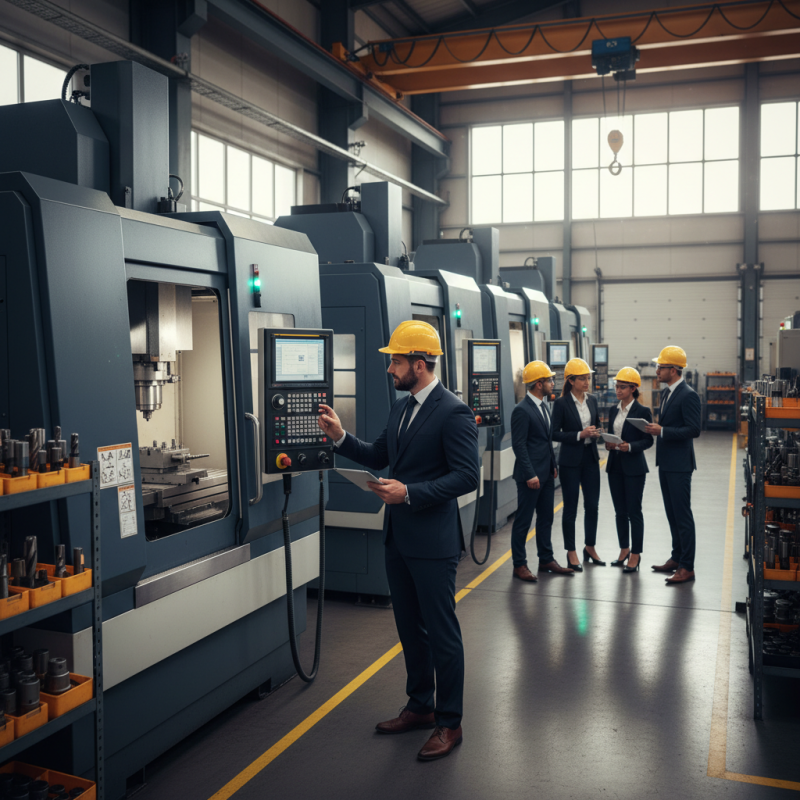
In today's competitive manufacturing landscape, choosing the right Vertical Machining Center (VMC) is crucial for business success. Expert John Smith, a leading authority in machining technology, emphasizes, “Selecting the best VMC can redefine your production capabilities.” His insights resonate with many who face this critical decision.

Vertical Machining Centers are not just machines; they represent a significant investment. The features and capabilities vary widely among models, making the selection process daunting. Businesses must assess their specific production needs, budget constraints, and future growth plans. It's easy to overlook essential factors like tooling options and machine maintenance costs.

Furthermore, companies often grapple with balancing performance and affordability. Potential buyers might find themselves stuck in analysis paralysis, uncertain about which features genuinely enhance productivity. Every choice has its trade-offs. Reflecting on these decisions can lead to a more informed and strategic approach to selecting a Vertical Machining Center that will enhance operational efficiency and competitiveness.
What is the Best Vertical Machining Center for Your Business?

Understanding Vertical Machining Centers: A Comprehensive Overview

What is the Best Vertical Machining Center for Your Business?

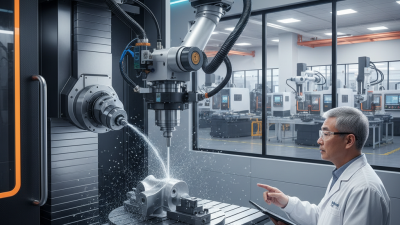
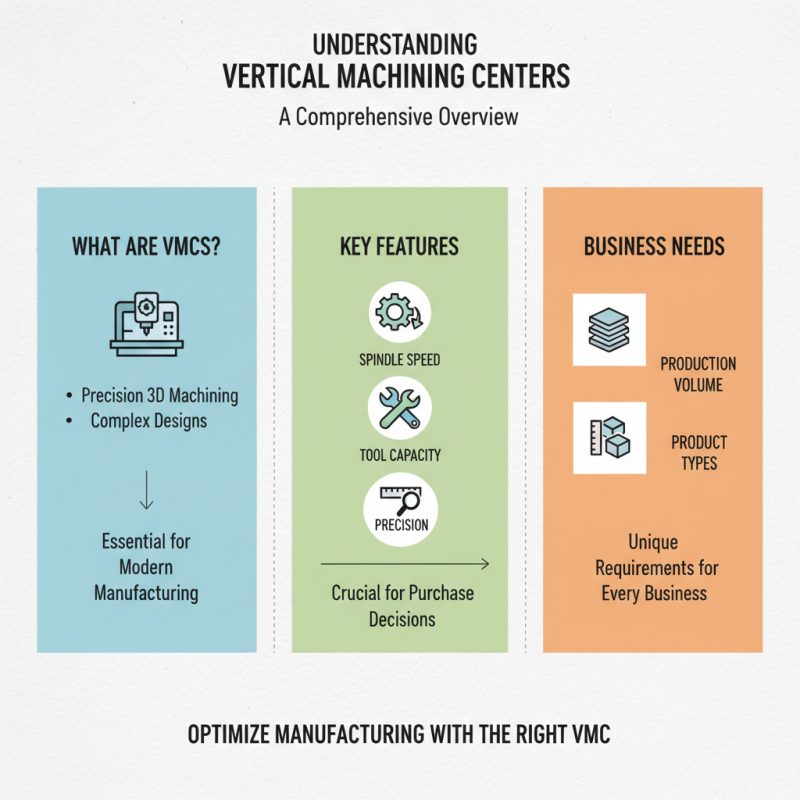
Vertical machining centers (VMCs) are essential in modern manufacturing. They excel at precision machining by offering 3D capabilities for complex designs. Operators need to understand the basics before making a purchase. Features like spindle speed, tool capacity, and precision play a significant role. Each business has unique needs depending on production volume and product types.

When evaluating VMCs, consider workspace and dimensions. Larger models can handle big parts but require more floor space. Smaller VMCs may fit limited areas but could restrict production versatility. Costs are another factor, as advanced features often come with a higher price tag. Reliable support and service from suppliers can also affect the long-term value of your investment.

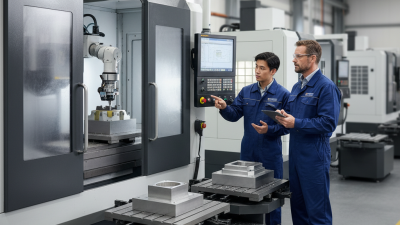
Some businesses invest in new technology but later realize their chosen model lacks the necessary capabilities. It's essential to assess current and future needs carefully. User training and skill levels can also vary, impacting machine efficacy. It's worthwhile to review how a VMC could benefit your operations before committing. Balancing costs with performance is vital for success in today’s competitive landscape.
Key Features to Consider When Choosing a Vertical Machining Center

What is the Best Vertical Machining Center for Your Business?

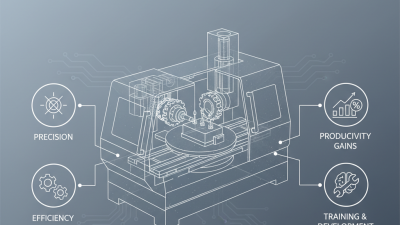
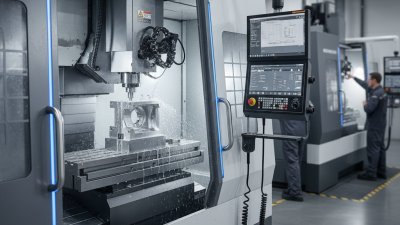
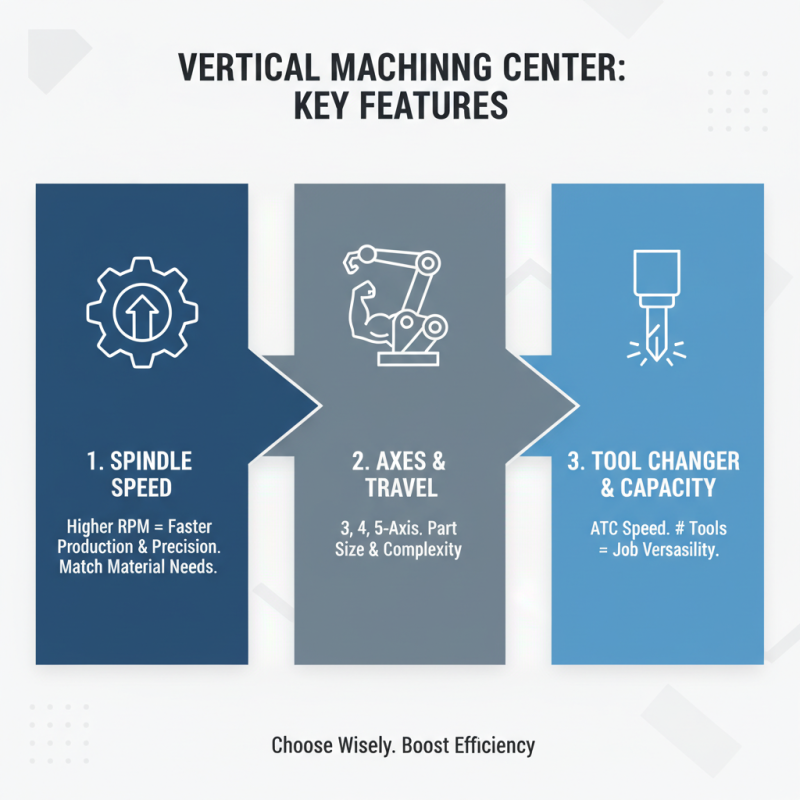
When choosing a vertical machining center (VMC), several key features are crucial to ensure you meet your business needs. The first consideration is the machine's spindle speed. A higher spindle speed allows for efficient machining of various materials. This can lead to faster production times and increased precision. Look for a VMC with a speed range that matches the materials you work with.

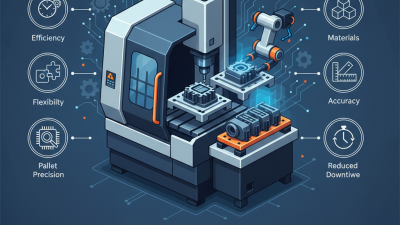
Tool storage capacity is another important feature. A VMC with an adequate tool carousel can minimize setup times during production. It allows for quick changes and reduces downtime. This can be a game-changer in a busy manufacturing environment, enhancing productivity significantly.

Consider the machine's overall dimensions and weight. A stable, robust machine often results in improved machining accuracy. Keep in mind that a heavier machine reduces vibrations during operation. Such details can significantly impact the quality of your final product.

Tips: Assess your workshop space before purchasing. Ensure it can accommodate the VMC you desire. Additionally, consider the ease of maintenance. A user-friendly design can save you time and effort.

Finally, don't overlook software compatibility. The right VMC should integrate smoothly with your existing systems. It can enhance operational efficiency and provide better data management. Reflect on these aspects critically to find the best fit for your business.

Comparing Leading Brands in Vertical Machining Centers

When selecting a vertical machining center (VMC) for your business, understanding leading brands is crucial. A recent market analysis reveals that the VMC market is expected to grow at a CAGR of 6.9% through 2025. This data emphasizes the rising demand for precision machining. Successful companies often prioritize investing in cutting-edge technology to stay competitive.

Tip: Consider the spindle speed and axis motion when evaluating machines. High speeds can enhance productivity, while multi-axis capabilities offer versatile machining options. Industry experts suggest that investing in advanced CNC functions can reduce setup time significantly, often by 30% or more.

While many brands offer robust solutions, not all will suit your needs. Some machines excel in durability, while others shine in speed. It’s important to reflect on your production requirements and capacity. An improper choice can lead to overcapacity, wasted resources, or insufficient output. Analyze both short and long-term production goals before making a decision. This reflective process may reveal unexpected needs or potential challenges.

Vertical Machining Centers Performance Comparison

This bar chart illustrates key performance metrics for various vertical machining centers, showcasing speed, accuracy, load capacity, pricing, and warranty duration. These factors are critical in determining the best options for businesses considering investment in vertical machining technology.

Assessing Price vs. Performance in Vertical Machining Centers

When selecting a vertical machining center (VMC), understanding price versus performance is crucial. Many businesses face a common dilemma: choose an affordable machine or invest in higher performance. A reliable VMC is essential for achieving precision in manufacturing. However, a lower price does not always mean better value.

Investing in a VMC with advanced features can lead to greater efficiency. Higher initial costs might save money over time. For example, better spindle speed and feed rates enhance production capabilities. Yet, not all businesses require top-tier performance. Smaller operations may benefit from entry-level VMCs without sacrificing quality. It's essential to analyze your production needs carefully.

Evaluating options can be overwhelming. Some machines may appear cost-effective due to their price. However, durability and service life are often overlooked factors. A less expensive model might incur higher maintenance costs. On the other hand, a premium model could present a steep learning curve for operators.

Balancing initial costs with long-term productivity ensures a sound investment tailored to your specific requirements.

Future Trends in Vertical Machining Technology and Their Impacts

The landscape of vertical machining technology is evolving rapidly. According to a recent industry report, 70% of manufacturers are now adopting automation in their machining processes. This trend indicates a shift towards increased efficiency and precision. Automation can significantly reduce labor costs and enhance production capabilities. However, this shift also raises concerns about workforce displacement and the need for retraining.

Furthermore, advancements in software integration are transforming operations. Real-time monitoring systems provide insights into machine performance. This data-driven approach allows manufacturers to optimize workflows. A study shows that companies utilizing predictive maintenance can decrease downtime by up to 20%. Yet, this technology requires substantial upfront investment, which may be a barrier for smaller businesses.

Sustainability is another trend gaining traction in vertical machining. The demand for eco-friendly practices is leading to innovations in energy efficiency. Many companies are exploring ways to reduce waste. However, the transition to greener technologies may involve growing pains. It’s crucial to balance immediate costs with long-term environmental benefits. As the industry moves forward, these trends will shape the future of vertical machining. Adapting to these changes is vital for staying competitive.

What is the Best Vertical Machining Center for Your Business? - Future Trends in Vertical Machining Technology and Their Impacts

Dimension Value Future Trends
Machine Size 850 x 450 x 550 mm Increasing compactness for better space utilization
Spindle Speed 12,000 RPM Enhanced speed for improved processing times
Control System CNC with AI Integration Advancements in AI for predictive maintenance
Cooling System Flood Cooling Emerging technologies for optimized thermal management
Material Capability Aluminum, Steel Expansion to composite materials and smart materials
Automation Level Semi-Automatic Trends towards fully automated systems and robotics
Cost Range $50,000 - $150,000 Increasing affordability due to technological advancements
Maintenance Frequency Monthly Predictive maintenance approaches to reduce downtime
  • Address

    North of Industrial Road, Linqing Economic Development Zone,Liaocheng City, Shandong Province, China

  • Email

    info@lucimagnet.com

  • Phone/WhatsApp

    Angela:0086-13884742546
    Eric: 0086-15688878114

Get in touch with SLMN today. Whether you have questions about our CNC machine tools , or are interested in becoming a distributor, our team is ready to assist you.

© 2025 Shandong Linmo CNC Machine tool Equipment Co.,Ltd. All Rights Reserved.
Privacy Statement Terms & Conditions Sitemap Top Blog

© 2025 Shandong Linmo CNC Machine tool Equipment Co.,Ltd. All Rights Reserved.

Privacy Terms & Conditions Sitemap Top Blog