

Welcome to the SLMN Blog

Shandong Linmo CNC Machine Tool Equipment Co., Ltd.
Insights, Tips, and More from SLMN CNC Machine Tools

2026 How to Operate a 5 Axis Mill Effectively and Efficiently?

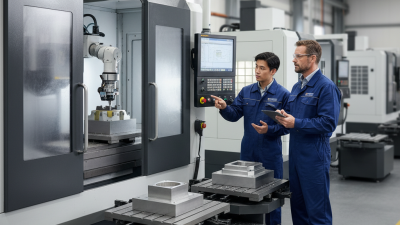
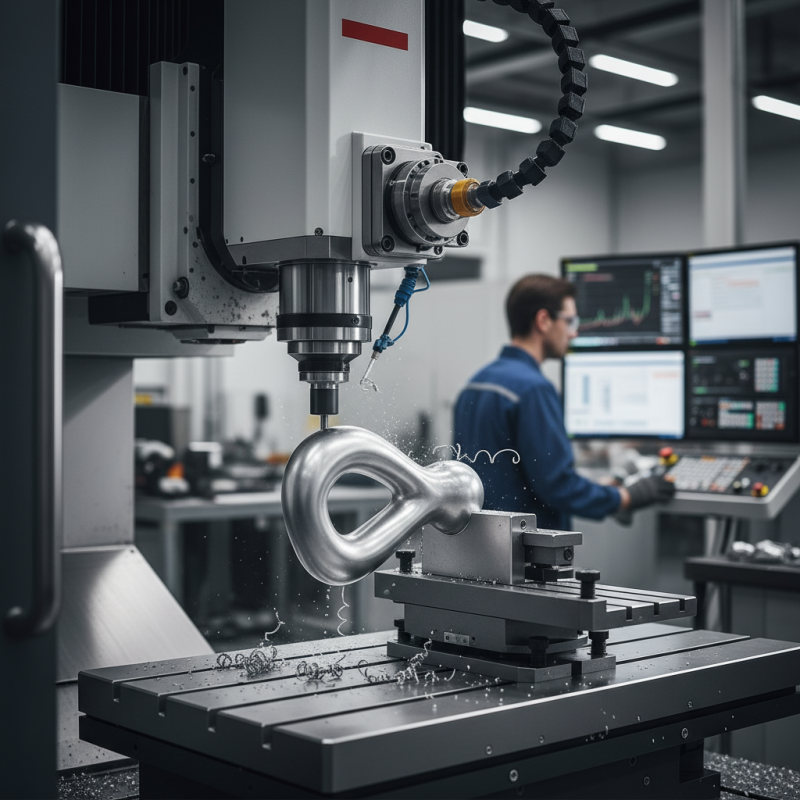
In the precision-driven world of machining, operating a 5 Axis Mill has become an essential skill for manufacturers. Industry expert John Smith, a leading figure in CNC technology, states, "The effectiveness of a 5 Axis Mill lies in mastering its complexities." Understanding these complexities is crucial. This advanced machinery allows for intricate designs and improved workflow, but challenges persist.

Effective operation requires constant learning and strategic thinking. Mistakes can arise from overlooking machine setups or tool selections. Each error brings insights that drive improvements. It's about finding the balance between efficiency and precision.

As manufacturers continue to adopt 5 Axis Mills, embracing best practices can significantly impact production outcomes. Engaging with the technology demands not only training but also a mindset of continuous refinement. It's an evolving journey where experts learn from every pass of the tool.
2026 How to Operate a 5 Axis Mill Effectively and Efficiently?

Understanding the Basics of 5 Axis Milling Machines

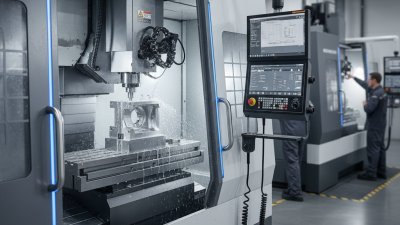
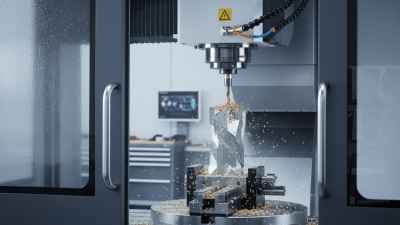
5-axis milling machines offer a unique advantage in precision manufacturing. These machines can move the cutting tool along five different axes, enabling complex geometries and intricate designs. This functionality is essential for producing parts that require high accuracy. Knowing the basics of these machines is crucial for effective operation.

Understanding your machine's capabilities is vital. Each 5-axis mill operates differently and may have unique features. It's important to familiarize yourself with the control interface and programming language. Most machines require a solid understanding of CAD/CAM software for optimal results. This software helps translate designs into commands the milling machine can follow.

Common challenges include tool wear and setup time. Tool longevity impacts production cycles, and improper setup can lead to wasted materials. Regularly inspecting tools and refining the setup process can improve efficiency. Operators often need to reflect on their methods and identify areas for improvement. Through trial and error, they can enhance their skills over time.
2026 5 Axis Mill Efficiency Metrics

Key Components and Features of 5 Axis Mills

2026 How to Operate a 5 Axis Mill Effectively and Efficiently?

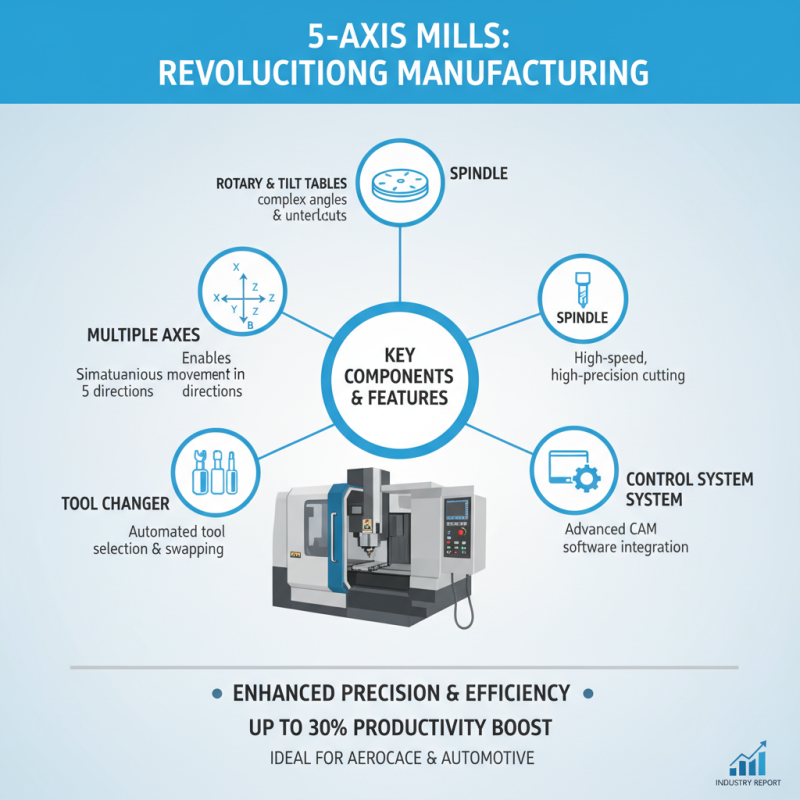
5-axis mills are revolutionizing manufacturing in many sectors. These machines enhance precision and efficiency, catering to complex geometries. A recent industry report highlighted that 5-axis machining can improve productivity by up to 30%. This is key in fields like aerospace and automotive, where accuracy is paramount.

Key components include the rotary axes, which permit movement along multiple planes. This flexibility allows for intricate designs without repositioning the workpiece. Moreover, advanced software integration is critical. It ensures that designs translate seamlessly into machining processes. A study indicated that about 75% of manufacturers using quality software experienced fewer errors. However, reliance on technology requires ongoing training for operators.

There are challenges, too. Maintaining such machines demands regular calibration and checks. In some cases, operators report a learning curve when adapting to 5-axis systems. Understanding these factors is essential to fully leverage the potential of 5-axis milling. Balancing investment costs against these complexities is a task that requires careful consideration.

Setting Up Your 5 Axis Mill for Optimal Performance

Setting up your 5-axis mill requires careful planning and execution. Proper alignment is crucial. An incorrect setup can lead to errors and wasted materials. Ensure your workpiece is securely clamped and perfectly level. This avoids vibrations that can affect precision.


Calibration is another important aspect. Regularly check the machine’s parameters to maintain accuracy. This includes verifying that the rotations align correctly with your designs. Neglecting this can lead to drastic miscalculations. A simple mistake can ruin hours of machining.


Additionally, consider tooling selection. Using the right tools impacts performance significantly. However, experimenting with different tools can be enlightening. It’s not always straightforward. Sometimes, what works in theory doesn’t translate to practice. Engaging in this process can lead to new insights and improvements, refining your approach over time.

Techniques for Programming 5 Axis Milling Operations

2026 How to Operate a 5 Axis Mill Effectively and Efficiently?

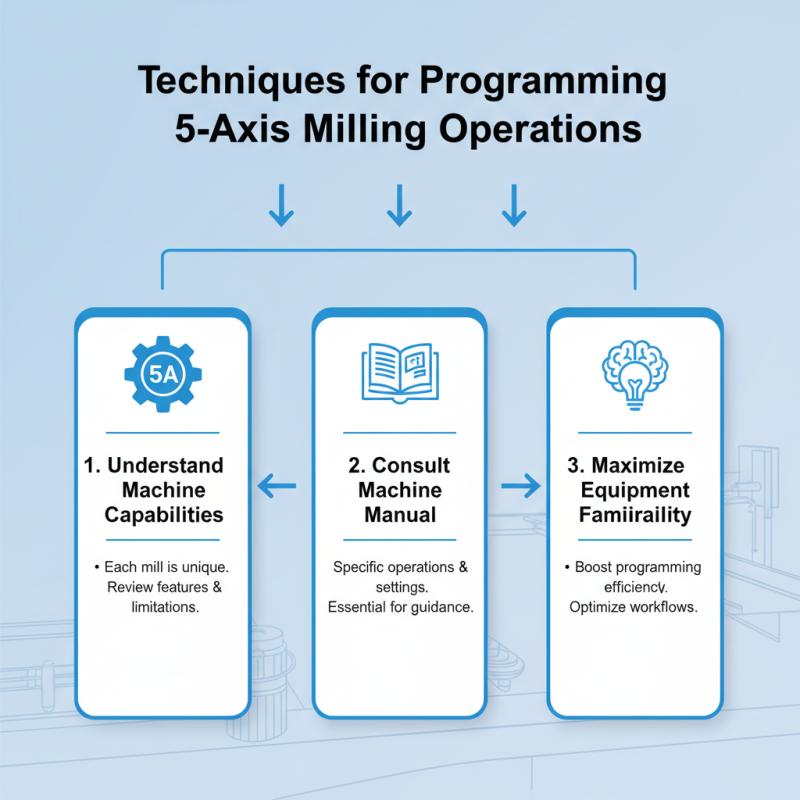
Programming a 5-axis mill requires a methodical approach. Start with understanding your machine's capabilities. Each mill has unique features that impact how you program it. Be sure to review the machine's manual for guidance on specific operations. The more familiar you are with your equipment, the more efficient your programming will be.

Tip: Always simulate your tool paths before actual machining. This practice can prevent costly mistakes and reduce waste. Use software that allows you to visualize movements in detail. Identifying potential collisions or errors in advance saves time and materials.

Another aspect to consider is your choice of tooling. The right tools can significantly influence the quality of your finished product. Experiment with different materials and geometries. However, don’t overlook the importance of tool wear. Regular inspections can help maintain precision and extend tool life.

Tip: Document your programming processes. Keeping a log of successful strategies and common challenges will provide valuable insights in the future. Reflecting on past projects can highlight areas for improvement. Each experience builds your expertise, making future operations smoother.

Best Practices for Maintenance and Troubleshooting in 5 Axis Milling

In the realm of 5-axis milling, effective maintenance is crucial for maximizing operational efficiency. A study by the National Tooling and Machining Association (NTMA) indicates that improper maintenance can lead to a 30% decrease in productivity. Regular inspections can help identify wear and tear on critical components, ensuring machines run smoothly. Operators should establish a routine maintenance schedule that includes checking for loose fasteners and lubricating moving parts.

Troubleshooting comes into play when unexpected issues arise. Common problems include axis misalignment and tool wear. According to a report from the Association for Manufacturing Technology, 20% of machine failures are attributed to misalignment. To combat this, operators should invest in precision measuring tools. Utilizing software can also aid in diagnosing issues quickly by providing real-time data. Operators often overlook simple adjustments that can save time and prevent costly repairs.

Reflection is essential in this field. While many operators follow standard protocols, the variability in each machine means that customized adjustments may be necessary. Training programs focused on advanced troubleshooting techniques can foster a culture of proactive maintenance. This approach empowers operators to identify potential issues before they escalate, enhancing the longevity and efficiency of 5-axis mills.

  • Address

    North of Industrial Road, Linqing Economic Development Zone,Liaocheng City, Shandong Province, China

  • Email

    info@lucimagnet.com

  • Phone/WhatsApp

    Angela:0086-13884742546
    Eric: 0086-15688878114

Get in touch with SLMN today. Whether you have questions about our CNC machine tools , or are interested in becoming a distributor, our team is ready to assist you.

© 2025 Shandong Linmo CNC Machine tool Equipment Co.,Ltd. All Rights Reserved.
Privacy Statement Terms & Conditions Sitemap Top Blog

© 2025 Shandong Linmo CNC Machine tool Equipment Co.,Ltd. All Rights Reserved.
Privacy Terms & Conditions Sitemap Top Blog