Top 5 Tips for Choosing a Small Horizontal Machining Center?
Choosing a Small Horizontal Machining Center can be daunting. In this highly specialized market, making an informed decision is crucial. Expert James Turner, a leading authority in CNC machining, states, “Selecting the right machining center is the backbone of efficient manufacturing.” His insights highlight the importance of understanding your specific needs before diving into options.
When considering a Small Horizontal Machining Center, it’s essential to evaluate factors like space, budget, and production volume. Each requirement impacts the performance and efficiency of the machine. Shifting from one model to another can lead to costly mistakes. Therefore, reflection on established criteria is necessary.
Moreover, one must not overlook the customer support and service offered by suppliers. This aspect often gets sidelined but can significantly affect the long-term operation of your machining center. Investing time in thorough research will yield better outcomes. Ignoring these details can lead to challenges that might have been easily avoided.
Understanding the Importance of Size and Configuration in Machining Centers
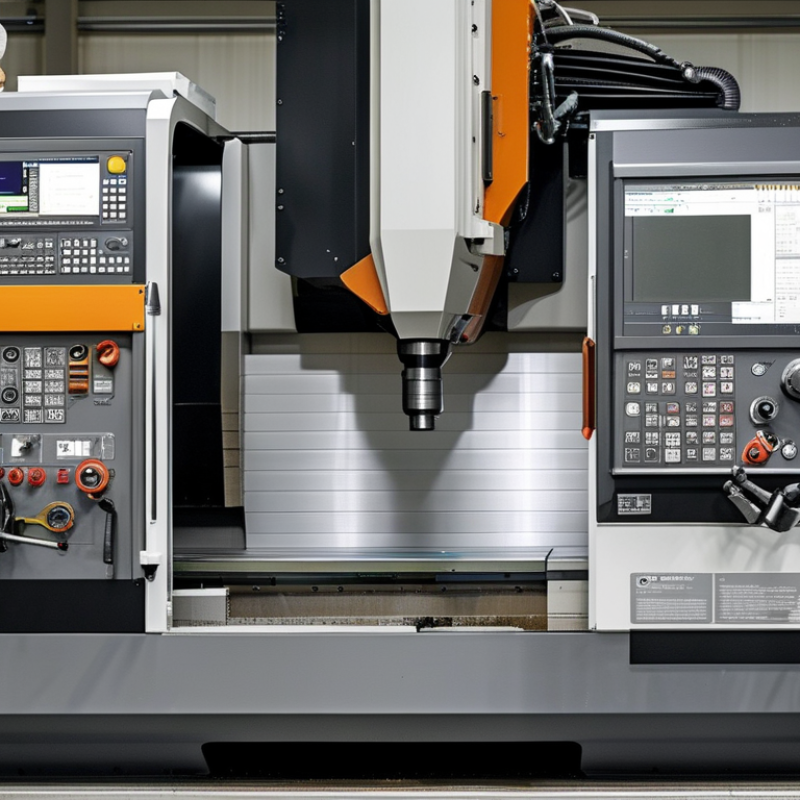
When selecting a small horizontal machining center, size and configuration are crucial. The physical space in your workshop can heavily influence the type of machinery you can utilize effectively. According to a report by the Association for Manufacturing Technology, about 70% of machining decision-makers consider footprint a top priority. A compact machine allows for efficient use of space while ensuring performance isn’t compromised.
Configuration plays a significant role in machining effectiveness. Small horizontal machining centers often provide better chip management and cooling capabilities, as indicated by various industry studies. The ability to manage chips efficiently can improve tool life by up to 30%. Many users overlook the importance of tools and setup in their decisions. Ensuring compatibility with your current tools and workflow can save resources and time.
Furthermore, the complexity of operations within these machines can vary. While more features may seem appealing, they can also pose learning challenges. Research suggests that over 50% of operators encounter a steep learning curve with complex systems. This can lead to ineffective use and unexpected downtime if not managed properly. As you weigh your options, it's essential to balance features against operating simplicity.
Evaluating Spindle Speed and Tool Change Time for Efficiency Optimization
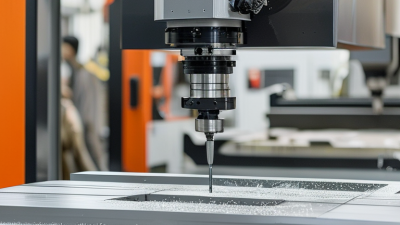
When selecting a small horizontal machining center, spindle speed and tool change time play critical roles in optimizing efficiency. Industry research indicates that many machining operations see significant gains with spindle speeds of 12,000 to 24,000 RPM. This range balances performance and thermal stability. High spindle speeds allow for faster feed rates, reducing cycle times considerably. However, maintaining precision becomes challenging as speeds increase. Operators must consider material compatibility, as excessive speeds can lead to premature tool wear.
Tool change time is another essential factor to evaluate. Modern machining centers typically range from 1.5 seconds to 6 seconds for automatic tool changes. A report from the Association for Manufacturing Technology states that reducing tool change time by just 20% can enhance overall productivity by as much as 15%. Quick change systems improve downtime but may sacrifice tool accuracy. Manufacturers often face a trade-off between speed and precision, necessitating careful consideration during the selection process.
Attention to these details can help avoid inefficiencies. Operators frequently overlook the impact of tool inventory on speed. Ensuring the right tools are readily available reduces changeover time and streamlines operations. Continuous monitoring of spindle performance and tool wear provides insights for adjustments. Balancing these considerations requires ongoing evaluation and adaptations to meet production goals.
Spindle Speed and Tool Change Time Comparison
Assessing Your Material Compatibility and Cutting Requirements
When selecting a small horizontal machining center, assessing material compatibility is crucial. Different materials require specific cutting tools and speeds. For instance, metals like aluminum necessitate higher speeds, while harder materials demand robust tooling. A study by the Manufacturing Institute highlighted that improper material assessment can lead to a 10-15% increase in production costs. This emphasizes the importance of aligning your machinery's capabilities with the materials you frequently work with.
Cutting requirements also play a significant role. It's essential to consider factors such as depth of cut and feed rate. Experts recommend evaluating the machine's rigidity and power specifications to meet these demands. According to a report by the American Society of Mechanical Engineers, approximately 25% of machining failures stem from inadequate machine specifications for the intended cutting tasks. This often leads to inefficiencies and increased wear on tools.
Last, maintaining a balance between machine capabilities and production needs can be challenging. Users must reflect on their long-term production volume and precision needs. It’s vital to ensure that the chosen machining center can adapt to fluctuating requirements. By thoroughly assessing both material types and cutting specifications, you can make a more informed decision, potentially reducing operational costs and improving output quality.
Analyzing Floor Space and Integration with Existing Equipment
Choosing a small horizontal machining center requires careful consideration of floor space and integration with existing equipment. Industry reports indicate that around 35% of manufacturers struggle with space issues when incorporating new machinery. Small machines are designed to maximize productivity in limited areas. Analyzing the layout is essential. You need to assess the height, width, and depth of potential equipment. A compact design can save significant space while enhancing workflow.
Integration with existing systems is another critical factor. Studies suggest that seamless integration can increase operational efficiency by up to 20%. This is particularly true for environments using various tools and technologies. Identifying how the new machine will connect with current equipment can prevent disruptions. An incompatible machine may lead to workflow bottlenecks, which can be costly. Thoughtful planning ensures that all components work harmoniously.
While compact machines offer many advantages, there are challenges. Limited space might restrict your options. You may need to compromise on certain features or capabilities. It's crucial to weigh these aspects carefully. Cutting-edge features may come at the expense of size. Prioritizing functionality over sheer power can prevent future regrets. The goal is to create an efficient workspace without sacrificing productivity.
Comparing Manufacturers' Support, Warranty, and Maintenance Services
Choosing a small horizontal machining center is a significant decision for any manufacturer. One crucial aspect to focus on is the support provided by the manufacturer. A recent report indicated that 68% of machine downtime is attributed to lack of adequate support and maintenance. This highlights the importance of choosing a manufacturer with a reliable support system.
Investigate the warranty policies offered by different manufacturers. A robust warranty can be a critical safety net for your investment. Make sure the warranty covers essential components and any potential defects. Research shows that centers with comprehensive warranties have a lower rate of operational interruptions.
Maintenance services are equally important. Regular maintenance can prevent costly repairs. Identify manufacturers that offer proactive maintenance schedules. This not only improves performance but extends the machine's lifespan. Some manufacturers' maintenance services may feel inadequate, leading to unexpected breakdowns. Consider customer reviews and third-party recommendations to gauge reliability.
In your search for a small horizontal machining center, evaluate manufacturers based on their support, warranty, and maintenance reliability. This careful analysis will maximize productivity and ensure your investment pays off in the long run.