


A Compact 5 Axis Cnc Machine brings multi-directional cutting into a smaller workshop footprint. It can move the tool or workpiece across five coordinated axes. This allows machinists to reach angled surfaces, deep cavities, and complex contours in fewer setups. The result can be better accuracy, shorter production cycles, and fewer alignment errors.
But compact does not mean simple. A smaller machine still requires rigid construction, accurate calibration, suitable tooling, and disciplined programming. This guide explains how five-axis movement works and why it matters in practical machining. It also examines spindle speed, table size, work envelope, chip evacuation, and control software. These details often decide whether a machine performs reliably beside a crowded workbench.
Real-world use is important.
A prototype shop may value quick setup and flexible fixturing. A dental laboratory may need clean cuts and repeatable fine detail. An aerospace supplier may prioritize stability, verification, and process documentation. Each application places different demands on the machine. The smallest model is not automatically the best choice.
The discussion uses practical machining principles and manufacturer-style specifications as reference points. However, published accuracy figures can depend on temperature, tooling, material, and operator skill. That limitation deserves attention. Even experienced users can underestimate programming time or maintenance needs. By examining both advantages and compromises, this article provides a clearer foundation for evaluating a Compact 5 Axis Cnc Machine.
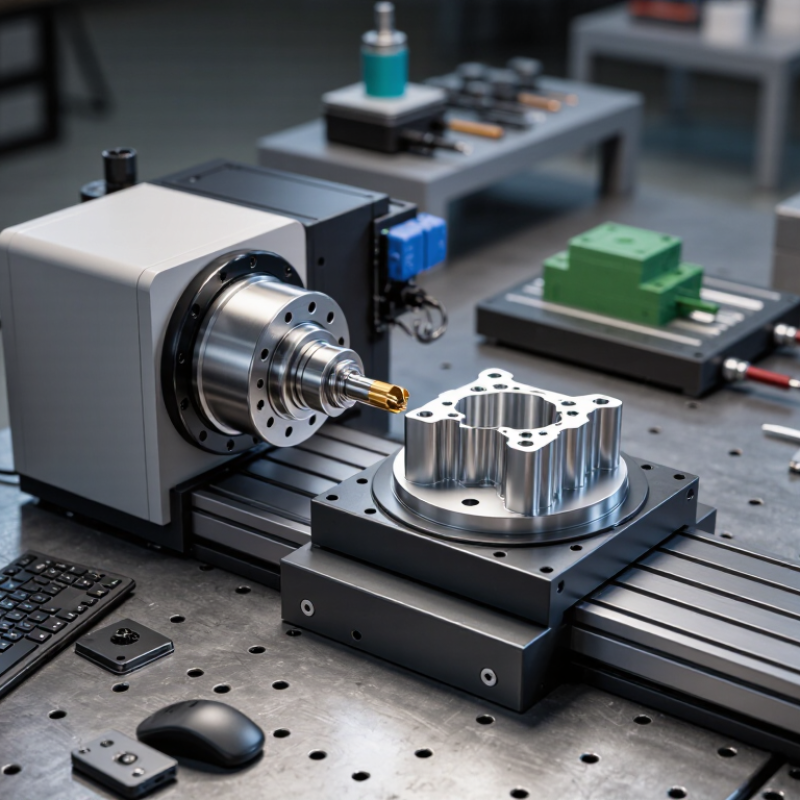
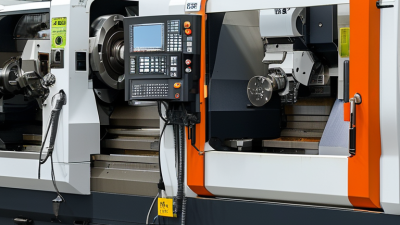
A compact 5-axis CNC machine is a computer-controlled machining system that moves along three linear axes and two rotary axes. These movements can occur simultaneously, allowing the cutting tool to reach several surfaces in one setup. The definition is not perfectly standardized. In practice, “compact” usually means a smaller machine footprint, reduced travel range, and an integrated trunnion table or swiveling spindle head.
Core features include five-axis interpolation, a rigid structure, automatic tool changing, coolant delivery, and workpiece probing. Many models also use thermal compensation to limit dimensional drift during long production runs. A compact machine can still be heavy. Floor loading and service access deserve careful checking. The working envelope may look generous in a brochure, yet fixtures and tool holders reduce usable space.
According to Gardner Intelligence’s 2023 World Machine Tool Survey, global machine tool consumption reached approximately 81.9 billion dollars in 2022. This scale reflects continued investment in flexible machining, although the report covers many machine categories, not only compact 5-axis systems. A 2024 report from the International Federation of Robotics recorded 541,302 industrial robot installations worldwide in 2023, showing broader demand for automated production. For small workshops, five-axis capability can reduce repositioning errors and improve access around curved parts. It may also increase programming difficulty. That trade-off is often underestimated. Careful simulation, skilled operators, and verified post-processors remain essential.


North of Industrial Road, Linqing Economic Development Zone,Liaocheng City, Shandong Province, China
info@lucimagnet.com
Angela:0086-13884742546
Eric: 0086-15688878114
Surface Grinder Machining Center CNC Lathe Machine Boring and Milling Machines
Semiconductor Optics Automobile Molding Construction Machinery Shipping Aerospace Valve Industry Wind Power Industry Abrasives Industry Refractory Industry Ceramic Seal Industry Bearings Industry
Company Patent Certificates Factory Tour Team Member Our Partner Our History Real-time Factory Inspection R&D Strength Terms & Conditions Privacy Statement


© 2025 Shandong Linmo CNC Machine tool Equipment Co.,Ltd. All Rights Reserved.