Top 10 Small Horizontal Machining Centers to Buy?
Choosing a Small Horizontal Machining Center is not simply a matter of comparing prices. Shop floors differ in workload, available space, operator experience, and production goals. A compact machine may improve access and reduce handling, yet its smaller work envelope can limit future projects. That trade-off deserves careful attention.
This guide examines ten practical models for buyers evaluating repeatable milling performance. The comparison considers spindle speed, taper type, axis travel, pallet design, tool capacity, control systems, footprint, service support, and total ownership cost. These details matter when a machine runs aluminum brackets all day or cuts tougher steel parts in short batches. Real buying decisions also depend on chip evacuation, coolant access, guarding, and how easily technicians can reach maintenance points.
Specifications were reviewed against manufacturer information and common machining requirements. Independent reviews and user feedback can add useful context, although claims should be checked carefully. Marketing language is not proof. A fast spindle may not deliver stable results without suitable tooling, rigidity, and programming. Some rankings may also change when local support, delivery time, or financing becomes more important than headline specifications. That is worth admitting.
The selected machines are not presented as universal winners. Each one fits a different production situation. Readers should confirm current specifications, installation requirements, warranty terms, and regional service availability before purchasing. A machine that looks ideal on paper may feel different beside a crowded shop wall. Practical testing remains valuable. Where possible, request sample cuts, inspect finished surfaces, and ask how existing owners handle maintenance. This approach makes the Top 10 Small Horizontal Machining Centers to Buy comparison more useful, balanced, and reliable.
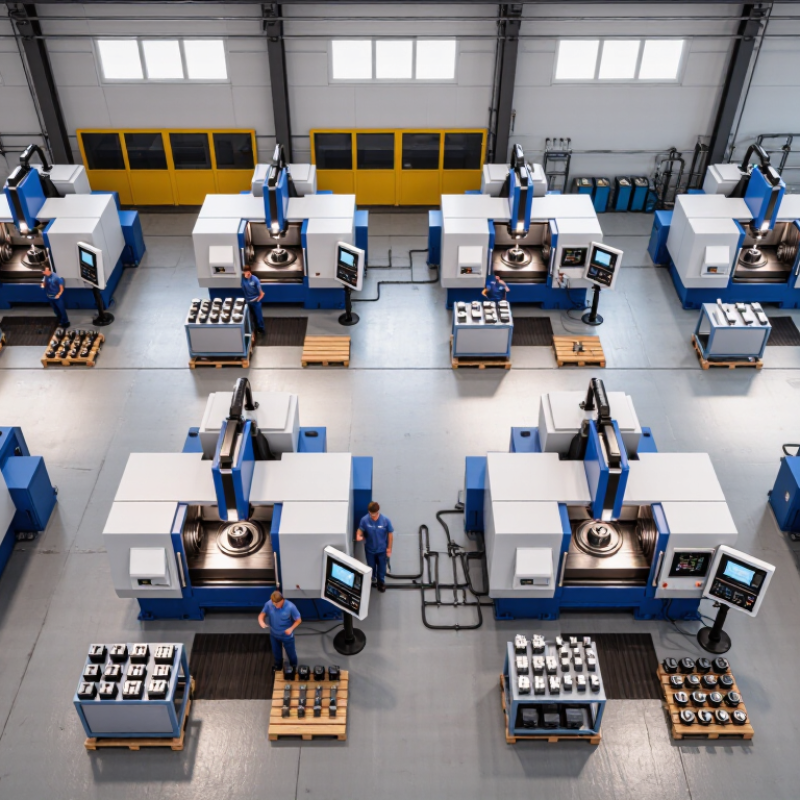
What Defines a Small Horizontal Machining Center?
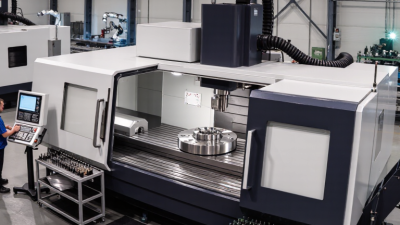
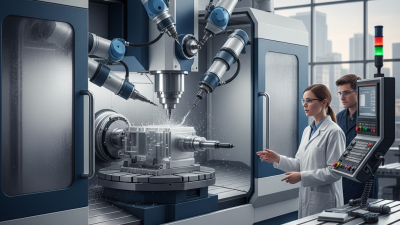
A small horizontal machining center is not simply a vertical machine made shorter. Its defining feature is the horizontal spindle, which approaches the workpiece from the side. This orientation improves chip evacuation, especially when cutting aluminum, steel, or cast materials. Chips fall away from the cutting zone instead of collecting around the tool.
Size matters, but footprint alone can mislead buyers. A compact model should offer a practical work envelope, stable casting, and enough table capacity for the intended parts. Many small units use pallet changers, making repeated production faster without requiring a large factory floor. Tool access also deserves attention. A machine may look compact outside yet feel cramped during setup.
From an operator’s perspective, rigidity is more important than impressive travel numbers. Watch for vibration during deep pockets, thin walls, or interrupted cuts. Check spindle speed, torque, tool capacity, positioning accuracy, and coolant delivery together. One overlooked detail is door clearance; it affects loading, cleaning, and maintenance every day.
Not every “small” center is truly space-efficient. Measure service access, chip conveyors, electrical cabinets, and operator movement. I would also question optimistic cycle-time claims. Real performance depends on fixtures, tool condition, material, and programming skill. A careful test cut reveals more than a brochure.
Key Specifications for Comparing Compact HMCs
Top 10 Small Horizontal Machining Centers to Buy?
Key Specifications for Comparing Compact HMCs
A compact HMC should fit your process, not only your floor plan. Check X, Y, and Z travel against your largest fixture and part envelope. Leave room for chip evacuation and operator access. A small footprint can become inconvenient quickly.
Spindle speed is only one part of performance. Compare continuous torque, motor power, taper size, and acceleration. High speed helps aluminum, while torque matters more in steel. Review rapid traverse rates and tool-change time together. A fast spindle cannot rescue slow chip-to-chip recovery. Ask for positioning and repeatability data tested under ISO 230-2 conditions. Manufacturer claims can look precise, but thermal drift still changes results during long cycles.
Pallet size and load capacity determine practical productivity. A 400 mm pallet may suit small housings, but heavy fixtures reduce usable capacity. Examine the number of tool pockets, coolant pressure, and chip-to-chip reliability. These details affect unattended production. The International Federation of Robotics reported 541,302 industrial robots installed worldwide in 2023, showing why automation-ready interfaces deserve attention. Deloitte’s 2024 smart manufacturing survey found that 86% of leaders viewed smart manufacturing as a major competitiveness driver. Still, automation is not automatically economical. I would calculate payback using real cycle times, staffing, maintenance, and energy costs. A lower purchase price can hide expensive downtime. The best comparison is rarely perfect.
Top 10 Small Horizontal Machining Centers to Buy? — Key Specifications for Comparing Compact HMCs
This comparison uses representative specifications commonly published for compact horizontal machining centers. Travel figures are shown in millimeters, while spindle speed is shown in revolutions per minute. Larger travel ranges and higher spindle speeds can improve machining flexibility, but buyers should also verify accuracy, pallet size, tool capacity, motor power, and available floor space.
Top 10 Small Horizontal Machining Centers to Consider
Choosing among the top 10 small horizontal machining centers requires more than comparing prices. A compact footprint matters in crowded workshops, but usable travel matters more. Measure the machine, access doors, pallet area, and maintenance space before ordering. A four-axis model can handle multiple faces with fewer setups. A two-pallet changer can reduce idle time during loading.
The ten centers worth considering should cover different production needs. Look for compact four-axis machines, high-speed models, heavy-cutting versions, and entry-level units. Also consider machines with automatic pallet changers, integrated probing, larger tool magazines, or strong chip evacuation.
Rigid cast structures help control vibration during steel cutting. Through-spindle coolant can improve drilling performance and tool life. Check spindle speed, torque, travel, positioning accuracy, and tool-change time together. One impressive number rarely tells the whole story.
I would inspect real parts before trusting a brochure. Ask for sample cuts using your material, hole sizes, and tolerance requirements. Listen for chatter during side milling. Watch how chips leave the enclosure. Service access is often overlooked. It should not be. Confirm local technical support, spare-part availability, training, and software compatibility. A smaller machine may save floor space but create production limits later. I have seen buyers focus on low purchase cost and underestimate setup time. That mistake deserves careful reflection. A reliable evaluation includes energy use, coolant capacity, operator visibility, and the actual workload expected each week.
How to Match Each HMC to Your Production Needs
Choosing among the top 10 small horizontal machining centers requires matching capacity to actual production, not comparing brochure specifications. A compact HMC suits parts that need several faces machined in one setup. For short aluminum runs, prioritize spindle speed, rapid acceleration, and a small footprint. For steel batches, favor torque, coolant delivery, and rigid workholding. A larger table may look impressive, but unused capacity still costs money.
The 2024 Deloitte and MAPI Smart Manufacturing Survey found that 86% of manufacturers view smart operations as essential for competitiveness. Therefore, evaluate pallet changers, tool monitoring, and data connectivity alongside cutting performance. The International Federation of Robotics reported 541,302 industrial robot installations worldwide in 2023. This supports automation planning, but a robot-ready interface does not guarantee a profitable cell. Check door access, pallet repeatability, chip evacuation, and operator training time. Measure them on the shop floor.
For high-mix work, select flexible fixturing, accessible controls, and fast program transfer. For steady production, prioritize cycle time, tool capacity, and unattended machining safeguards. Verify positional accuracy with test cuts, not claims alone. Review service response, spare-part availability, and documented preventive-maintenance intervals. These details often decide uptime.
I would not rank every HMC confidently without seeing the parts, materials, and loading pattern. That is the uncomfortable limitation. A machine producing one complex housing daily needs a different design from one cutting hundreds of identical blocks. Compare five-year cost per finished part, including tooling, energy, labor, and downtime. The cheapest purchase can become the most expensive choice.
Buying Factors for Selecting the Right Small HMC
Top 10 Small Horizontal Machining Centers to Buy?
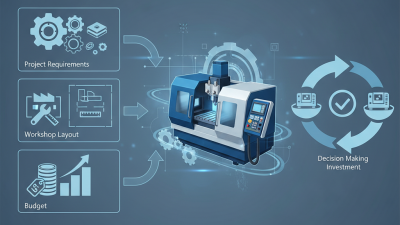
Selecting a small HMC requires more than comparing spindle speed and price. Gardner Intelligence’s 2024 World Machine Tool Survey valued global machine-tool consumption at roughly US$90 billion in 2023. That scale reflects intense competition, but it does not guarantee suitability. Start with the work envelope. Measure your largest fixture, tool-change clearance, and chip evacuation path. A compact machine can still waste floor space if its pallet door needs a wide opening.
Spindle power should match the material, not the brochure. For aluminum, high speed and sufficient horsepower support productive material removal. Steel often needs stronger torque at lower revolutions. Check the manufacturer’s published torque curve, not only peak spindle speed. Positioning accuracy also deserves scrutiny. Ask for ISO 230-2 test results, thermal compensation details, and repeatability data at operating temperature. Cold-machine figures can mislead. They often do.
Energy and service access affect ownership costs. The U.S. Department of Energy notes that compressed-air systems may consume 10–30% of industrial electricity, so inspect pneumatic demand carefully. Review standby power, coolant filtration, and chip conveyor requirements. Confirm local technician coverage and spare-parts response times. A lower purchase price may hide longer downtime. I would also run a sample part before buying. A perfect demonstration part proves little if your real fixture, coolant, and cutting tools are absent. That is where careful judgment matters.
Top 10 Small Horizontal Machining Centers to Buy? - Buying Factors for Selecting the Right Small HMC
| Rank |
Small HMC Profile |
Pallet Size |
Typical X/Y/Z Travel |
Spindle Speed |
Spindle Taper |
Tool Capacity |
Rapid Traverse |
Approx. Footprint |
Best Application |
Key Buying Factor |
| 1 |
Compact 300 mm Production HMC |
300 × 300 mm |
500 / 500 / 500 mm |
8,000–12,000 rpm |
ISO 40 or BT 40 |
20–30 tools |
24–36 m/min |
Approx. 2.4 × 2.4 m |
Small aluminum and steel production parts |
Smallest floor space with practical pallet automation |
| 2 |
400 mm General-Purpose HMC |
400 × 400 mm |
600 / 560 / 600 mm |
8,000–15,000 rpm |
BT 40 or HSK-A63 |
24–40 tools |
30–48 m/min |
Approx. 2.8 × 3.0 m |
Mixed-part machining and medium batch work |
Best balance of capacity, rigidity, and floor space |
| 3 |
400 mm High-Speed HMC |
400 × 400 mm |
600 / 560 / 600 mm |
12,000–20,000 rpm |
HSK-A63 or BT 40 |
24–60 tools |
36–60 m/min |
Approx. 2.9 × 3.1 m |
Aluminum components and short cycle times |
High rpm, acceleration, and chip evacuation performance |
| 4 |
400 mm Heavy-Cutting HMC |
400 × 400 mm |
560 / 560 / 600 mm |
6,000–10,000 rpm |
BT 40 or CAT 40 |
24–40 tools |
24–36 m/min |
Approx. 3.0 × 3.2 m |
Steel, cast iron, and interrupted cuts |
Machine mass, spindle torque, and table rigidity |
| 5 |
400 mm Flexible Pallet-Change HMC |
400 × 400 mm |
600 / 600 / 650 mm |
8,000–12,000 rpm |
BT 40 or HSK-A63 |
40–80 tools |
30–48 m/min |
Approx. 3.2 × 3.5 m |
High-mix, low-volume manufacturing |
Pallet pool compatibility and setup reduction |
| 6 |
500 mm Compact HMC |
500 × 500 mm |
700 / 700 / 750 mm |
8,000–12,000 rpm |
BT 40 or CAT 40 |
30–60 tools |
24–40 m/min |
Approx. 3.2 × 3.5 m |
Larger housings and multi-face parts |
Work envelope versus available installation area |
| 7 |
400 mm Compact Automation HMC |
400 × 400 mm |
600 / 560 / 600 mm |
8,000–15,000 rpm |
BT 40 |
24–40 tools |
30–48 m/min |
Approx. 3.0 × 3.4 m |
Lights-out production with a robot or loader |
Interface standards, access, guarding, and recovery functions |
| 8 |
400 mm Five-Axis-Ready HMC |
400 × 400 mm |
600 / 560 / 600 mm |
10,000–15,000 rpm |
HSK-A63 or BT 40 |
30–60 tools |
30–48 m/min |
Approx. 3.1 × 3.3 m |
Complex parts requiring rotary or trunnion integration |
Control capability, rotary-axis integration, and collision protection |
| 9 |
300 mm High-Production HMC |
300 × 300 mm |
500 / 450 / 500 mm |
10,000–15,000 rpm |
BT 30 or BT 40 |
20–30 tools |
36–60 m/min |
Approx. 2.3 × 2.5 m |
Small automotive, hydraulic, and hardware parts |
Cycle time, tool-change speed, and repeatability |
| 10 |
Entry-Level 400 mm HMC |
400 × 400 mm |
550 / 500 / 550 mm |
6,000–10,000 rpm |
BT 40 or CAT 40 |
20–30 tools |
18–30 m/min |
Approx. 2.8 × 3.0 m |
Job shops, prototypes, and moderate batch sizes |
Total cost of ownership, service support, and ease of operation |
Note: The specifications above represent realistic published ranges for small horizontal machining centers. Actual values vary by machine configuration, spindle option, pallet system, guarding, chip conveyor, coolant system, and automation package.