


Buying a Horizontal Machining Center is not simply a matter of comparing spindle speed and price. It is a long-term production decision. The wrong machine can occupy valuable floor space while creating bottlenecks, rework, and unexpected maintenance costs. The right machine should match your materials, part sizes, tolerances, cycle times, and operator skills.
Professor Yoram Koren, a recognized authority in manufacturing systems, described the machine tool as “the mother of all machines.” That idea matters when evaluating a Horizontal Machining Center. Its performance influences tooling, workholding, automation, inspection, and scheduling. A fast spindle means little if the machine lacks sufficient torque for hardened steel. A large pallet is also useless if your fixtures block tool access. Small details become expensive quickly.
This guide presents ten practical tips for a more reliable purchase. It considers spindle power, travels, pallet systems, chip evacuation, control software, accuracy, service support, and future automation. Buyers should request test cuts using representative material and realistic fixtures. They should inspect sample parts under actual production conditions, not only watch a polished showroom demonstration.
Ask uncomfortable questions. How quickly can a technician respond? What does preventive maintenance really cost? Which components are locally stocked? These questions can expose weaknesses early. Still, no checklist removes every risk. Production needs change, and supplier promises require verification. A careful buyer should leave room for doubt, document assumptions, and compare total ownership cost instead of accepting the lowest quotation.
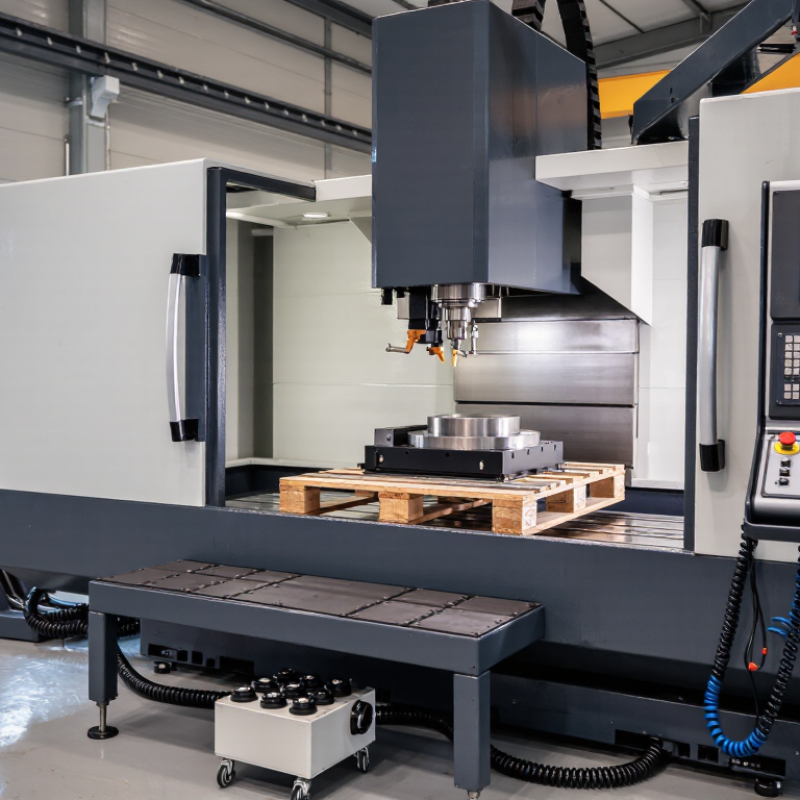
A suitable horizontal machining center begins with clear production data. List your materials, part sizes, tolerances, and expected monthly volume. Include current and future work.
Measure the largest workpiece carefully. A fixture, tombstone, and cutting tool can reduce usable space. Do not rely only on catalog dimensions.
Review your cutting conditions. Aluminum, stainless steel, and hardened materials require different spindle power, torque, and coolant performance. Record typical cutting speeds and depths.
Tips: Build a sample job list. Include cycle time, tool count, setup time, and inspection requirements. Real numbers expose unrealistic expectations.
Your production goal should guide automation decisions. High-volume work may justify multiple pallets, automatic tool measurement, or robotic loading. Low-volume work may benefit more from flexible fixturing and quick programming.
Ask operators and programmers for input. They often notice access problems that spreadsheets miss. A control system may look advanced, yet still slow daily setup.
Compare promised cycle times with your own test cuts. Material grade, tool condition, and operator skill can change results. Request written assumptions behind every estimate.
Leave room for growth, but avoid buying capacity you cannot support. Excessive spindle power does not fix poor fixturing or weak process planning. I would rather fund reliable inspection and chip control than chase impressive specifications.
Review service access, training, spare parts, and local technical support. Downtime costs more than a small difference in purchase price. Recheck every requirement before signing, because one overlooked fixture dimension can affect years of production.

North of Industrial Road, Linqing Economic Development Zone,Liaocheng City, Shandong Province, China
info@lucimagnet.com
Angela:0086-13884742546
Eric: 0086-15688878114
Surface Grinder Machining Center CNC Lathe Machine Boring and Milling Machines
Semiconductor Optics Automobile Molding Construction Machinery Shipping Aerospace Valve Industry Wind Power Industry Abrasives Industry Refractory Industry Ceramic Seal Industry Bearings Industry
Company Patent Certificates Factory Tour Team Member Our Partner Our History Real-time Factory Inspection R&D Strength Terms & Conditions Privacy Statement


© 2025 Shandong Linmo CNC Machine tool Equipment Co.,Ltd. All Rights Reserved.